
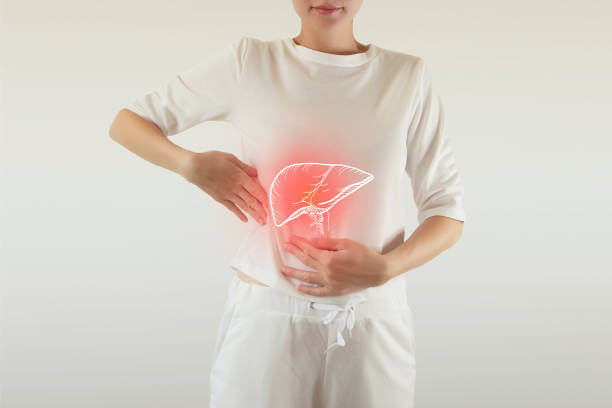
An estimated 10% of the world’s population suffers from liver inflammation. It is also known as hepatitis and is one of the most common liver diseases in the United States. Several things cause it, but you can easily manage it with the appropriate treatment and diet.
The liver is an essential part of a healthy body, and It plays a vital role in the digestion, absorption, and storage of nutrients. It also has filtering capabilities. But exposure to elements from outside, it becomes inflamed.
Understanding Inflammation and Your Body’s Healing Response
Inflammation is your body’s own built-in defense mechanism. When you sustain an injury or your body detects a possible infection, your immune system rallies its forces—kind of like a neighborhood watch on high alert. Blood flow increases to the affected area, bringing along a host of specialized repair cells whose main job is to clear out invaders and damaged tissue.
For example, if you cut your finger while slicing onions for a hearty gumbo, you’ll notice swelling, redness, and a bit of warmth at the site. That’s inflammation at work. It’s not just swelling for swelling’s sake; those symptoms signal your immune system is doing its job by fighting off germs and speeding up healing.
This same process happens internally, too. Inflammation helps protect vital organs—including your liver—by quickly responding to injury or harmful substances. However, when this response lingers for too long or happens for the wrong reasons, like certain autoimmune conditions or exposure to toxins, it can become a problem rather than a solution.
What is Liver Inflammation?
Liver inflammation is when the liver becomes inflamed or infected with acute or chronic hepatitis. In fact, the term “hepatitis” itself simply means inflammation of the liver. This condition can occur for a variety of reasons, ranging from viral infections to unhealthy lifestyle choices. Whether it develops suddenly (acute) or persists over time (chronic), liver inflammation disrupts the organ’s normal functions and can lead to a cascade of health problems if not addressed. The liver removes toxins, waste products, and waste products from the blood, and glucose is stored and released in the blood while essential proteins are formed.
When the liver becomes inflamed, it causes pain and other symptoms throughout the body. The major causes of liver inflammation are hepatitis, alcohol abuse, poor nutrition, obesity, and diabetes.
How Persistent Inflammation Leads to Liver Scarring
When inflammation lingers in the liver, it sets off a chain reaction that can spell trouble for your health. The body’s natural response is to send out “repair cells,” which begin to deposit collagen—a kind of tough, fibrous protein—around the affected areas. In a healthy liver, this process helps heal injuries and the body eventually signals these repair cells to slow down, letting the liver recover normally.
However, when inflammation drags on, these signals get mixed up. The collagen keeps building up like layers of packing tape, causing the liver tissue to stiffen over time. As more and more collagen piles up, the liver starts to develop scar tissue, also known as fibrosis.
If the inflammatory process isn’t controlled—and the excess collagen continues to replace healthy cells—those small scars can merge and expand, leading to severe, widespread scarring called cirrhosis. At this stage, the liver’s ability to function is significantly compromised, affecting everything from detoxification to nutrient processing.
How Is Inflammation Regulated in a Healthy Liver?
When the liver is injured or inflamed, it kicks off a surprisingly organized response. Damaged liver cells, along with immune cells, signal for special repair cells to come in and help heal the area. These repair cells produce a substance called collagen—think of it as the body’s natural ‘patch kit’—which temporarily stiffens and supports the injured tissue so healing can occur.
In a healthy liver, this process is tightly controlled. Once the initial repair is complete and the liver no longer needs extra support, those added collagen fibers are broken down and cleared away. This allows the liver tissue to return to its normal, flexible state, so the organ keeps running like a well-oiled Texas oil rig—efficient and reliable. Only when this cycle is disrupted, or if the injury keeps happening, does collagen hang around too long and begin to cause problems.
How Inflammation Helps Repair Damaged Liver Cells
Inflammation isn’t always the villain it’s made out to be. In fact, when the liver is hurt or its cells are damaged, inflammation actually kicks off the healing process. Here’s how it works:
- Damage Detection: When liver cells are injured—whether from toxins, alcohol, or infections—both the liver cells and immune cells spring into action. They send signals calling for help at the site of the damage.
- Repair Crew Arrives: In response to these signals, specialized repair cells travel to the area. Think of them as the body’s own emergency maintenance team.
- Collateral Protection: These repair cells release collagen—a strong, fibrous material. Collagen stiffens and supports the damaged tissue, protecting vulnerable liver cells while the area recovers.
In a healthy liver, this process is tightly managed. Once the repair job is done and there’s no more work for the maintenance crew, the extra collagen naturally fades away and the liver goes back to business as usual. However, if inflammation sticks around too long, it can cause scarring or fibrosis, which is another story (and not one the liver enjoys).
How the Liver Repairs Itself
When the liver sustains damage—whether from toxins, infections, or other causes—it has an impressive built-in repair mechanism that kicks into gear. While inflammation often gets a bad rap, here it serves a critical, protective purpose.
The process begins when damaged liver cells, alongside the body’s immune system, sound the alarm. These signals call specialized repair cells to the scene. Once they arrive, these cells release collagen fibers in the affected spot. Think of collagen as scaffolding—it temporarily thickens and strengthens the injured area, shielding healthy cells and creating a safe environment for healing to unfold.
Fortunately, in a liver that’s functioning well, this repair work is tightly controlled. Once the damage is patched up and the liver no longer needs the extra support, the surplus collagen is gradually broken down and cleared away. The liver’s tissues then return to their normal, flexible state, allowing the organ to get back to its essential day-to-day business.
The Role of Inflammation in Liver Metabolism
The liver isn’t just a chemical factory; it’s also a frontline defender for our immune system. While its primary job involves managing nutrients—breaking down food, processing energy, and storing essentials like glucose—it’s also tasked with filtering out unwelcome guests like toxins and medications.
Inflammation actually plays a surprisingly important—if double-edged—role in these metabolic processes. When the liver spots something harmful, it kicks off a mild immune response, using inflammation as a tool to help neutralize and clear out the threat. For example, as it breaks down foods and chemicals, the liver’s immune signals may temporarily rise to help fight off toxins or infections. Once the danger passes, the body has built-in checks to bring those inflammation levels back down, allowing normal liver metabolism to resume.
However, when inflammation sticks around for too long, it can interfere with how the liver converts food to energy and manages nutrients—sometimes making a bad situation worse. That’s why balanced inflammation is key: it helps the liver do its job without causing long-term harm.
How the Liver Uses Inflammation to Filter Toxins
The liver works like your body’s own water treatment plant, screening out trouble before it hits the main lines. This organ not only processes nutrients but also produces key proteins for the immune system. When toxins or harmful substances—like alcohol, certain medications, or even some foods—enter your blood, your liver steps into action.
It uses a natural immune response to help neutralize these invaders. Inflammation is actually part of this process: specialized cells in the liver detect the threat and kick up just enough inflammation to help break down and clear out what doesn’t belong. After the threat passes, the liver’s built-in checks reduce the inflammation and repair any minor damage, keeping things running smoothly.
But if harmful substances keep flooding in, or if your immune system gets off-balance, this inflammation can stick around longer than it should—damaging liver cells over time. That’s when a normal defense mechanism turns into a real health concern.
Symptoms of Liver Inflammation
Liver inflammation comes in a variety of forms, and its symptoms vary. Here are some of the more severe symptoms:
- Fatigue
- Headache
- Itchy skin
- Joint pain
- Loss of appetite
- Abdominal swelling, distention, or bloating
- Diarrhea
- Jaundice
- Discolored urine and stool
- Low-grade fever
- Malaise and lethargy
- Nausea with or without vomiting
IT can sometimes be fatal. If you experience any of these symptoms, you should seek immediate medical care.
How Liver Inflammation Develops
The liver naturally uses controlled inflammation to maintain its function and keep everything in balance. But if this process becomes dysregulated, it can set off a dangerous cycle. This persistent, out-of-control inflammation is called hepatitis. While we often link hepatitis to viral infections like hepatitis A, B, or C, other culprits—such as excessive alcohol, fatty foods, or even an overactive immune system—can also trigger this response.
When the liver stays inflamed for too long, it sends nonstop signals to its repair cells, urging them to keep depositing collagen. Normally, collagen helps heal damage, but in this case, extra collagen keeps piling up. Instead of the body signaling to stop and clear away the excess, the inflammation continues, causing even more stiffening in the liver tissue. Over time, this leads to the formation of scars, or fibroids. If left unchecked, these scars replace healthy liver cells, eventually resulting in severe scarring known as cirrhosis.
Understanding these symptoms and the underlying process is crucial, as early detection and treatment can help prevent long-term damage.
Causes of Liver Infection
Many factors can cause inflammation of the liver. As hepatitis is a viral infection of the liver, it’s one of the most common causes of liver inflammation. However, there are other possible causes as well. They are:
- Bacterial infections
- A blow to the liver
- Abuse of alcohol
- Hemochromatosis (excessive iron in the body)
- Obstructive jaundice
- Viral infection
- Wilson’s disease (a condition in which the body accumulates copper)
There is also the possibility that the liver becomes inflamed when the body builds up fluids. This condition is known as Ascites. Several conditions can lead to ascites, including:
- Narrowing of the veins
- Hemorrhaging into the abdomen
- Cirrhosis
- Heart failure
- Malignancies
- Nephrotic syndrome
- Disorders of the pancreas
- Infections
- Kidney failure
- Cancer
Inflammation without a known cause is called idiopathic. Inflammation of the liver resulting from an idiopathic cause is widespread and is often caused by:
- Some drugs, such as birth control pills
- Certain foods, such as garlic
The liver can become inflamed due to the body’s immune system reacting to a specific substance. This type of inflammation is called autoimmune.
What Role Does Collagen Play in Liver Cell Repair?
When liver cells are injured or inflamed, the body springs into action to protect and heal itself. Your immune system and the damaged liver cells signal for help, calling specialized repair cells to the scene. These repair cells produce collagen—a fibrous protein that acts a bit like scaffolding.
Collagen helps by:
- Providing extra support and structure to the surrounding liver tissue
- Creating a “patch” that shields and stabilizes surviving liver cells while healing takes place
- Helping to contain the damage and promote recovery
In a healthy liver, this process is tightly controlled. After the injured area has healed, the collagen breaks down and the liver tissue returns to normal, flexible function. However, if the liver faces ongoing injury or inflammation, collagen can continue to build up. This excess collagen is what leads to scarring (fibrosis), which can interfere with the liver’s normal work.
Understanding this process shows just how important it is to catch and treat liver inflammation early, before long-term damage can develop.
How is Liver Infection Diagnosed?
Inflammation of the liver can only be diagnosed with a liver biopsy.
It is the procedure of taking a sample of tissue to examine it under a microscope.
It is sometimes possible to diagnose inflammation using blood tests. Here are some tests that may be helpful when diagnosing liver inflammation:
- Complete blood count (CBC)
- Liver function test (LFT)
- Hepatitis panel
- Hepatitis C antibody
- Hepatitis A and B antibody
- Hepatitis C antibody
- Alpha-fetoprotein (AFP)
- Prothrombin time (PT)
After a diagnosis, treatment follows.
Treatment of Liver Inflammation
There are several ways to treat liver inflammation. To treat liver inflammation, you must first understand the cause. Most of the causes of this inflammation are lifestyle diseases, such as alcoholism. There are several ways to treat liver inflammation. The most common treatment involves combining several different medications.
A healthy diet and lifestyle changes are usually part of the treatment plan, with the main aim of managing the disease and reducing the chances of complications.
When Should I See a Doctor?
Consult a physician at angletoner if any of the symptoms mentioned above occur together with yellow discoloration of the skin and eyes, dark urine, pain lying down, fever, fatigue, and weakness.
Your doctor will likely check for infections of the liver or viruses as well as some types of cancer.
It’s important to discuss any possible risk factors for hepatitis or liver inflammation with your doctor, especially if you have experienced symptoms. Since there are many different causes and varying risks, a thorough evaluation is essential. Your healthcare provider may review your symptoms, explore your medical history, and recommend diagnostic tests to pinpoint the cause.
In most cases, some lifestyle changes and medications may be sufficient to treat the condition.
If you are unsure about your risk factors or want to review possible symptoms and common causes, don’t hesitate to ask questions or seek additional resources. Early consultation and proactive care can help manage the disease and reduce the risk of complications.