
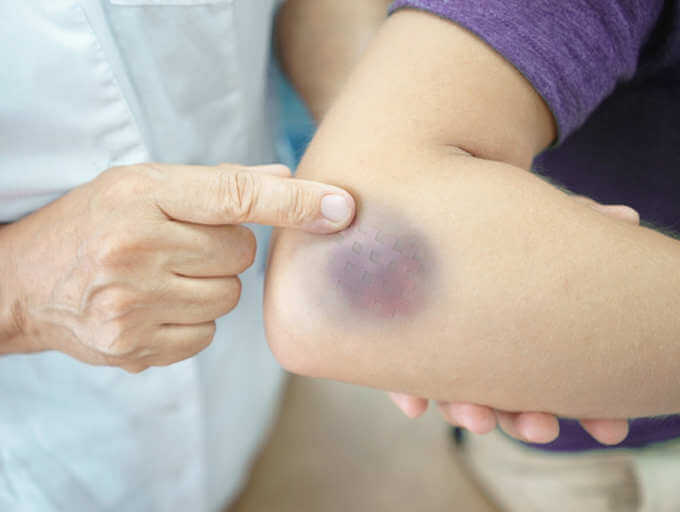
Bruises and Hematoma are medical conditions caused by injuries sustained on the soft tissue of the body. Generally, both conditions result from a series of similar activities; however, these injuries occur at different trauma spots.
A bruise, also known as a contusion, is a mild injury to blood vessels that causes blood to leak under the skin. Irritation to the skin causes a red to blue discoloration that fades over time and becomes a light brown color as the blood soaks into the body.
As a medical condition, Hematoma develops from traumatic injuries to blood vessels in the body, which causes blood to clot under the skin, muscles, or internal organs. Hematoma can occur in any part of the body; however, the most fragile hematoma appears in the brain and can lead to a severe medical emergency.
Learning to distinguish both conditions, symptoms, and treatment options can save you and your loved ones from eminent medical complications.
What are the Causes of Hematoma and Bruises?
Bruises and Hematoma are medical conditions resulting from an intense force or physical impact on the body, causing blood to leak from ruptured blood vessels. The Physical implications that might result in breakage of blood vessels leading to bruise and Hematoma include:
- Car accident
- Sport activities
- Fractures
- Medical surgeries
- Abnormal skin compression
What are the Risk Factors of Hematoma and Bruises?
Specific factors that can increase the risk of developing Hematoma and bruise include but are not limited to:
Age
Aging is a significant factor that increases the risk of developing bruises and Hematoma. As a person ages, the skin becomes thinner and fragile, making them prone to minor injuries resulting in bruises or Hematoma.
Medication
Certain medications such as Nonsteroidal anti-inflammatory drugs (NSAIDs), e.g., aspirin, blood thinners like warfarin, heparin, and certain supplements like omega 3-fatty acids, can increase the likelihood of developing Hematoma and bruise.
Underlying health conditions
Underlying health conditions such as vitamin k deficiency, liver disease, cancer, bleeding disorder, e.g., hemophilia, can disrupt normal blood vessel activities, which prevent ruptured vessels from stopping bleeding.
What are the Symptoms of Bruise and Hematoma?
Symptoms of bruises and Hematoma appear to be the only significant difference between both medical conditions. These symptoms can be a minor or life-threatening condition, depending on the location and intensity of the trauma. A few ways to distinguish between bruise and Hematoma include:
How to Tell If a Bruise Is a Hematoma
Bruises are usually harmless and occur as a result of injury to muscle tissue and surface-level blood vessels. They tend to present as flat patches of discoloration under the skin and typically heal on their own with minimal intervention. In contrast, a hematoma involves bleeding under the skin that pools in a specific area, often forming a noticeable lump. Hematomas can be more serious, sometimes requiring medical attention and targeted treatment, especially if the bleeding is significant or located near sensitive organs.
Common Symptoms of Bruise
- Mild swelling around trauma location
- Dark blue, black, discoloration
- Tenderness around trauma location
Common Symptoms of Hematoma
Symptoms of Hematoma depend on the size and location of the Hematoma. Common symptoms include:
- Slurred speeches
- Headache
- Seizure
- Unconsciousness
- Inflammation
- Swelling
- Severe pain
- Redness around trauma location
Other symptoms of Hematoma may include abdominal pain, disorientation, and loss of balance.
Understanding these differences is crucial, as bruises are mostly superficial and self-limiting, while hematomas can indicate deeper bleeding that may threaten your health. Always seek medical advice if you notice a lump, significant swelling, or neurological symptoms after an injury, as these may signal a hematoma that requires prompt care.
How to Diagnose Bruises and Hematoma
Doctors can quickly diagnose superficial bruises and Hematoma during physical examination based on discoloration of the skin. In severe cases of Hematoma, an imaging test like magnetic resonance imaging (MRI), x-ray, or a computed tomography (CT) scan may be necessary.
How Long Do Bruises and Hematomas Take to Heal?
The healing time for bruises and hematomas can vary significantly based on their severity and location.
Most simple bruises, such as those caused by minor bumps or falls, begin to fade within a few days. Generally, the discoloration and tenderness will improve steadily and resolve completely within two to three weeks. Throughout this period, the color of the bruise may shift from deep blue or purple to greenish-yellow and finally light brown before disappearing altogether.
Hematomas, depending on their size and depth, may require a longer recovery. Small, superficial hematomas often start shrinking and become less painful within a week, but can take several weeks or even months to be fully reabsorbed into the body. Deeper or more severe hematomas, especially those affecting muscles or internal organs, may take longer and sometimes need medical evaluation to prevent complications.
Factors influencing healing time include the individual’s age, overall health, the strength of their immune system, and whether underlying conditions—such as blood clotting disorders—are present. Older adults and individuals on blood-thinning medications may notice a slower resolution.
If you notice a bruise or hematoma that does not improve after a couple of weeks, gets progressively worse, or is accompanied by significant pain or other symptoms, it is important to seek medical attention to rule out underlying problems.
Treatment for Bruise and Hematoma
Generally, bruises resolve and heal on their own, but treatment may hasten recovery and reduce discomfort. Majority of bruises and superficial (surface) hematoma traditional treatment usually involve the R.I.C.E (Rest, Ice, Compression, and Elevation) method.
Specifically, the steps of the RICE method include:
- Resting the affected area to minimize inflammation and ease discomfort
- Applying a bag of ice several times a day to the affected area
- Compress the affected region with a bandage for proper reabsorption of blood into the body
- Elevating the affected area can improve adequate blood flow
Severe cases of Hematoma would require a surgical procedure to drain the blood out of the affected area.
When to Visit your Doctor
If you or your loved ones show signs of mild Hematoma after an injury, an over-the-counter pill might be enough to help ease discomfort as this condition will eventually heal on its own.
However, if you experience any form of pain, increased warmth, and redness, call your doctor and seek immediate medical attention to avoid life-threatening complications.