
An up and coming field for pharmacists is in emergency medicine. These pharmacists have a wide range of vital duties and work directly with patients and administration. To learn more about the role of pharmacists in the ER, continue reading on.
- Direct Patient Care Rounds. This is a vital role in protecting ER patients. The pharmacist directly participates with patient’s diagnosis and treatment. This allows the pharmacist to be a part of the prescribing process.
On-the-Spot Expertise
Having a pharmacist present in the ER offers a distinct advantage over relying on phone calls to the central pharmacy. When a pharmacist is just steps away, medical teams can tap into their expertise instantly—no waiting, no phone tag, no crossed wires. This means that questions about drug interactions, dosing, or urgent medication adjustments are answered on the spot, fitting seamlessly into the fast pace of emergency care.
Pharmacists in the ER can respond directly to fluid situations—whether it’s a rare medication request or a patient with a tricky allergy history. This immediacy not only streamlines care but also reduces the risk of miscommunication and delays that can arise when trying to coordinate from afar.
- Medication Order Review. To help provide patients with fast and reliable care, ER pharmacists asses the individual medication therapy. Although most drug orders in the emergency department fall into the “exceptions” category of Joint Commission standards on medication order review, pharmacists still strive to deliver the same high-quality care as they would elsewhere in the hospital. This means evaluating each medication order quickly and accurately, ensuring appropriate therapy without causing unnecessary delays in patient treatment.
- Medication Therapy Monitoring. ER pharmacists will follow through with their patients to ensure safety and efficiency in medication delivery. They also check for side effects and the possibility of allergies to the medications.
- Patient Care Involving High-Risk Medications and Procedures. This role also helps to ensure patient safety. ER pharmacists need to select the proper dose for patients who are prescribed high-risk medications. They may also provide education and training in high-risk medications and procedures to other emergency department healthcare providers.
- Resuscitation. ER pharmacists have an important role in providing patients with immediate medications and treatments, answer emergency questions ER staff may have, and treat patients with a toxicologic emergency.
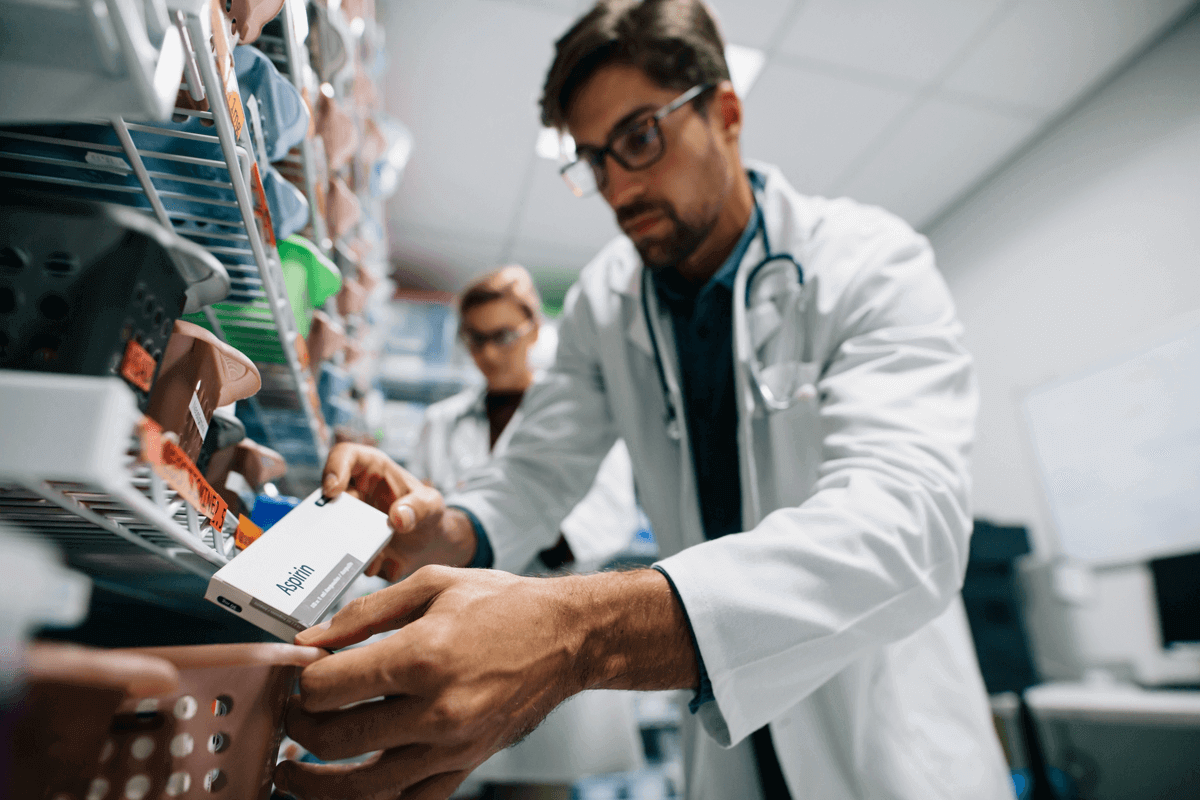
- Medication Procurement and Preparation. Patients in the ER need immediate attention and medications. Pharmacists need to have medications readily available for immediate use. They can also make suggestions for a more efficient work-flow. In the fast-paced environment of the emergency department, pharmacists play a key role in deciding which medications should be stocked in automated dispensing cabinets to ensure quick access. They help streamline processes for obtaining and preparing medications, making recommendations that keep things running smoothly when every second counts.
- Medication Information. ER pharmacists can quickly retrieve medication information and provide quick answers in any emergency situations. When a pharmacist is readily available in the emergency department, health care providers are far more likely to use their expertise, rather than delay care by calling a central pharmacy. This immediate access allows pharmacists to efficiently respond to a wide range of emergent situations, ensuring the medical team gets the information they need, right when they need it most.
- Documentation. ER pharmacists can recognize trends in documentation that may require further education for emergency healthcare providers. This allows for improved patient care in the ER. ER pharmacists play an important role in caring for patients in emergency situations. By using documented interventions, they not only identify patterns that could prompt changes in medication use procedures, but also help justify and reinforce their essential role within the emergency department. Ultimately, thorough documentation supports better patient outcomes and fosters ongoing education for the healthcare team.