
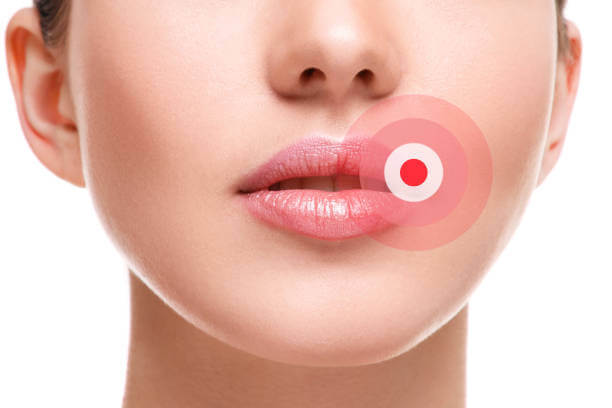
Swollen lips occur when fluid accumulates within the soft tissues of the upper or lower lip due to inflammation, injury, infection, or an allergic response. For many people, swelling is mild and temporary. However, sudden or rapidly worsening swelling—especially when accompanied by trouble breathing, hives, or swelling of the tongue or throat—can indicate a serious medical condition requiring urgent care. Understanding common symptoms, likely causes, and appropriate treatment can help you decide when it is safe to manage swelling at home and when to seek medical attention.
What Are Swollen Lips?
Swollen lips describe noticeable enlargement or puffiness of one or both lips resulting from inflammation or excess fluid within the tissue. Swelling may develop gradually or appear very suddenly. While minor irritation, injuries, or mild allergies are common triggers, lip swelling may also occur in more serious conditions such as angioedema or infection.
Common Symptoms of Lip Swelling
Symptoms vary depending on the underlying cause and may include:
- Redness, warmth, or tenderness
- Visible inflammation or puffiness
- Itching, tingling, or burning sensations
- Cracking or peeling skin
- Blisters or fluid-filled lesions
- Bruising or sensitivity after injury
- Rapid swelling that may worsen over minutes
Certain patterns may help point to the cause:
- Allergic reactions: itching, hives, tingling, watery eyes, or rash
- Drug allergies: skin rash, hives, wheezing, general swelling, vomiting, or dizziness
- Infections: blisters, crusting, localized pain, fever
- Injury-related swelling: bruising, cuts, or tenderness
- Angioedema: sudden, deeper swelling of the lips, eyelids, face, or tongue; may interfere with breathing
What Causes Swollen Lips?
Allergic Reactions
Allergies are among the most common causes of lip swelling. Reactions may occur shortly after exposure to:
- Foods such as milk, eggs, peanuts, tree nuts, fish, shellfish, soy, or wheat
- Environmental allergens like pollen, dust, mold, or pet dander
- Medications such as antibiotics, nonsteroidal anti-inflammatory drugs (NSAIDs), or other prescription drugs
- Insect stings or bites
Symptoms may range from mild tingling or itching to more significant swelling. In severe cases, reactions can progress to anaphylaxis—a life-threatening condition that may include trouble breathing, wheezing, rapid swelling of the face or lips, dizziness, or fainting.
Drug Allergies and Swollen Lips
Medications are a frequent culprit for allergic reactions that cause lip swelling. Some of the most common drug triggers include:
- Antibiotics (with penicillin being a well-known cause)
- NSAIDs (such as ibuprofen or naproxen)
- Anticonvulsants
- Certain chemotherapy drugs
A drug allergy can cause not only lip swelling but also:
- Skin rash or hives
- Wheezing or shortness of breath
- Widespread swelling
- Nausea or vomiting
- Dizziness
If you suspect a medication is causing your symptoms, stop taking it if safe to do so and contact your healthcare provider promptly. Like food allergies, the best approach for drug allergies is to avoid the known trigger whenever possible. Severe reactions—especially those involving breathing difficulties, rapid swelling, or fainting—require immediate medical attention.
How to Identify Food Triggers for Lip Swelling
Figuring out which foods are behind allergic reactions like lip swelling can feel a bit like detective work, but it’s important for preventing future episodes. Food-related lip swelling often occurs soon after eating the culprit food—sometimes within minutes.
Common food triggers include:
- Eggs
- Peanuts and tree nuts
- Dairy products such as milk or cheese
- Shellfish and fish
- Wheat and soy
Allergic symptoms can extend beyond the lips, sometimes causing facial or tongue swelling, itching, hives, nausea, abdominal discomfort, coughing, wheezing, or even difficulty swallowing or breathing.
To pinpoint the offending food:
- Keep a Food Diary: Write down everything you eat, along with when the swelling or other symptoms appear. Over time, patterns may emerge to help you identify specific triggers.
- Track Symptoms: Note any other reactions—such as rash, stomach pain, dizziness, or breathing changes—that accompany lip swelling.
- Elimination Diet: With help from your doctor or an allergist, you can avoid suspected foods one at a time and reintroduce them gradually to see which one causes symptoms.
- Consult a Professional: If you suspect food allergies, seek medical advice for appropriate allergy testing. Skin prick tests or specific blood tests can help confirm which foods are responsible.
Remember, if you ever experience severe symptoms—like rapid facial swelling, difficulty breathing, or a sudden drop in blood pressure—seek emergency care right away, as this may signal a serious allergic reaction.
How Are Environmental Allergies Diagnosed and Treated?
If you suspect your swollen lips are linked to something in your environment—like pollen, dust mites, mold, or pet dander—an allergist can help pinpoint the culprit. Diagnosis typically involves a detailed discussion of your symptoms, followed by testing. Common tests include:
- Skin prick tests: Small amounts of potential allergens are applied to the skin to see if a reaction occurs.
- Blood tests: These measure your immune system’s response to specific allergens.
Once the specific trigger is identified, treatment usually begins with avoiding the allergen when possible. For symptom relief, healthcare providers may recommend:
- Over-the-counter or prescription antihistamines to reduce swelling and itching
- Nasal sprays or decongestants if you have accompanying nasal symptoms
- For more stubborn or severe allergies, a series of allergy shots (immunotherapy) may be offered to help your body build tolerance over time
If you continue to experience swelling or other serious symptoms, it’s important to follow up with your healthcare provider to explore further options or adjust your treatment plan.
Angioedema
Angioedema is deeper swelling beneath the skin that often affects the lips, eyelids, face, tongue, or throat. It may be triggered by:
- Allergens
- Medications such as ACE inhibitors
- Hereditary conditions affecting immune regulation
Swelling often develops quickly and may last a few hours to a couple of days. Because angioedema can restrict breathing, rapidly worsening symptoms require immediate medical attention.
Infections
Infections involving the skin or tissues around the mouth can cause lip swelling. These may include:
- Viral infections: herpes simplex virus (cold sores)
- Bacterial infections: cellulitis or other skin/soft-tissue infections
- Fungal irritation: yeast overgrowth around the mouth
Infection-related swelling may be accompanied by blisters, crusting, oozing lesions, pain, or fever.
Injuries or Trauma
Swelling commonly develops after:
- Accidental lip biting
- Blunt trauma from sports injuries or falls
- Burns from hot foods or beverages
- Dental procedures or injections
Injuries to the face—especially around the mouth or jaw—can also result from:
- Cuts or lacerations
- Bites
- Burns (thermal or chemical)
- Blunt-force trauma
Depending on the type of injury, you may also notice bruising, scrapes, or bleeding. Most injury-related swelling improves as the tissue heals. For mild injuries, applying an ice pack can help reduce pain and swelling, while gentle heat may also be useful once initial swelling subsides.
If you have a deep cut, cannot stop the bleeding, or suspect a more serious injury, seek prompt care at an emergency department or urgent care clinic. Monitor for signs of infection—such as increasing redness, heat, swelling, or tenderness—and let your healthcare provider know if these develop.
Irritants and Contact Reactions
Irritation or allergic contact dermatitis may occur after exposure to:
- Lip balms, lipsticks, or glosses
- Toothpaste or mouthwash
- Skincare products
- Fragrances, dyes, or preservatives
These reactions can lead to redness, dryness, burning, and subsequent swelling.
Environmental Factors
External triggers that may inflame or irritate the lips include:
- Excessive sun exposure
- Windburn or dry weather
- Spicy foods (capsaicin irritation)
- Cold temperatures
These causes are typically mild and improve with supportive care.
Rare Medical Conditions
Less common diseases may cause persistent or recurrent lip swelling, such as:
- Granulomatous cheilitis (also called cheilitis granulomatous or Miescher cheilitis): This rare inflammatory condition causes lumpy swelling in the lips and may sometimes be considered a subtype of Melkersson–Rosenthal syndrome. Swelling from granulomatous cheilitis often develops gradually and can become chronic.
- Melkersson–Rosenthal syndrome (MRS): This syndrome can involve recurrent lip swelling along with other symptoms such as facial nerve palsy or a fissured tongue.
These conditions may require evaluation by a specialist. Treatment typically involves medications such as corticosteroids or NSAIDs to help reduce inflammation and swelling.
Cheilitis Glandularis
Cheilitis glandularis is a rare form of lip inflammation that affects the minor salivary glands located within the lips. While its exact cause remains uncertain, several factors—including chronic sun exposure, repeated lip trauma, and smoking—appear to increase the risk. The condition is most frequently observed in men.
Symptoms typically involve:
- Tender, sensitive lips
- Small, dot-like openings on the lip surface that may excrete saliva
- Irregular, bumpy texture of the lips
Although cheilitis glandularis itself may not require immediate treatment, it does make the lips more vulnerable to secondary bacterial infections. If infection develops, medical management with antibiotics or corticosteroids may be necessary to control inflammation and prevent complications.
Risk Factors for Cheilitis Glandularis
Cheilitis glandularis is a rare inflammatory disorder that affects only the lips. While the exact cause remains unclear, certain factors appear to increase the risk. The condition is seen most frequently in men. Risk factors include:
- Prolonged or excessive exposure to ultraviolet (UV) light
- A history of chronic lip irritation or injury
- Smoking or use of tobacco products
These influences may contribute to the development of cheilitis glandularis, though its origins are not fully understood.
Cheilitis Glandularis: Treatment and Management
Cheilitis glandularis typically does not require aggressive treatment, especially if symptoms are mild. However, because this condition can make the lips more susceptible to bacterial infections, it’s important to monitor for signs of redness, increased swelling, pain, or oozing.
If a secondary infection develops, healthcare providers may recommend:
- Oral or topical antibiotics to control bacterial growth
- Corticosteroid ointments or creams to reduce inflammation
Regular lip protection—such as keeping the lips moisturized and avoiding irritants—may also help minimize discomfort and prevent complications. In persistent or severe cases, referral to a dermatologist may be necessary for further evaluation and long-term management.
Symptoms of Cheilitis Glandularis
Cheilitis glandularis is a rare inflammatory condition affecting the lips. Common signs can include:
- Swollen, tender lips that may feel sore to the touch
- Small openings or pits on the inner surface of the lip, often releasing clear or saliva-like fluid
- An uneven or bumpy lip texture that develops over time
These symptoms often appear gradually and may increase the risk of secondary infections or irritation. If these changes persist, it’s important to seek evaluation from a healthcare provider or specialist familiar with lip disorders.
How to Treat Swollen Lips
Home Care for Mild Swelling
Mild cases may improve with simple measures:
- Apply a cold compress for short intervals
- Use gentle moisturizers to soothe dry or cracked lips
- Avoid identified allergens or irritants
- Stay hydrated
- Avoid picking or biting the lips
These steps can reduce discomfort while the underlying cause resolves.
It’s also important to work with your healthcare provider to figure out the underlying cause so you can treat it or avoid it in the future. Identifying what’s behind your lip swelling—whether it’s an allergy, infection, injury, or another factor—can help prevent recurrence and guide the most effective treatment.
Medical Treatment
A healthcare professional may recommend:
- Antihistamines for allergic swelling
- NSAIDs for pain or inflammation
- Prescription corticosteroids for more significant allergic or inflammatory reactions
- Antibiotics or antivirals if an infection is diagnosed
- Targeted treatment for angioedema or rare underlying conditions
For angioedema, symptoms often last 24 to 48 hours. Treatment options may include antihistamines, corticosteroids, or—in severe allergic cases—epinephrine injections. Antihistamines typically work well when swelling is allergy-related, while corticosteroids are often used for nonallergic or hereditary angioedema.
Because treatment varies by cause, proper evaluation is important.
Medications for Swelling from Insect Bites or Stings
If lip swelling results from an insect bite or sting, over-the-counter oral antihistamines—such as diphenhydramine or cetirizine—may help reduce swelling and itching. For mild discomfort, topical creams containing hydrocortisone can also provide relief.
In cases involving more pronounced reactions or a known allergy, quick intervention with antihistamines is especially important. Always follow dosing instructions and consult a healthcare provider if symptoms do not improve or worsen, as severe allergic responses may require more advanced treatment.
Treatment for Cheilitis Granulomatous
Cheilitis granulomatous is typically managed with anti-inflammatory medications. Doctors often prescribe corticosteroids—either topical or oral—to help bring down swelling and discomfort. In some cases, nonsteroidal anti-inflammatory drugs (NSAIDs) may also be used to ease inflammation. Because this condition can be persistent or resistant to standard treatments, follow-up with a healthcare provider is important to monitor response and adjust therapy as needed.
Treating Melkersson–Rosenthal Syndrome
Melkersson–Rosenthal syndrome is a rare disorder characterized by chronic or recurring lip swelling, often along with symptoms like a fissured tongue or facial nerve palsy. Because it’s uncommon and may be linked to genetic factors, treatment usually focuses on managing flare-ups and minimizing discomfort.
Management typically involves:
- Corticosteroids: Used to decrease inflammation and help control swelling episodes.
- Nonsteroidal anti-inflammatory drugs (NSAIDs): May be suggested to relieve pain and reduce inflammation.
- Additional therapies: In stubborn cases, specialists might consider other immunosuppressive medications or targeted treatments based on your individual symptoms.
Since Melkersson–Rosenthal syndrome can be persistent or recur, ongoing care from a healthcare provider—often a specialist such as a dermatologist, neurologist, or immunologist—may be necessary to help tailor the most effective approach for your specific situation.
When to See a Doctor
Seek medical care if:
- Swelling persists longer than 2–3 days
- You have recurrent or unexplained swelling episodes
- There are signs of infection (pain, fever, blisters, or oozing)
- Over-the-counter care does not improve symptoms
- Swelling follows a dental procedure
- You suspect a food, drug, or environmental allergy
Persistent or recurrent swelling may require medical evaluation to identify the cause.
When to Seek Emergency Care
Call emergency services immediately if lip swelling occurs with:
- Difficulty breathing or swallowing
- Rapid swelling of the lips, tongue, or face
- Wheezing, chest tightness, or widespread hives
- Severe dizziness, fainting, or signs of anaphylaxis
These symptoms may indicate a life-threatening reaction and require urgent treatment.
When Lip Swelling Follows an Injury
Injuries to the mouth or jaw—such as cuts, bites, lacerations, burns, or blunt-force trauma—can also cause significant lip swelling. Often, these cases are accompanied by other signs like bruising, scrapes, or bleeding. For minor injuries, applying an ice pack in short intervals can help manage pain and reduce swelling. In some cases, gentle heat may help as swelling subsides.
However, seek prompt medical attention if:
- The injury results in a deep cut or bleeding that won’t stop
- There are signs of infection, including persistent swelling, redness, heat, or tenderness
If you notice any of these warning signs, or if swelling rapidly worsens, consult a healthcare provider or visit urgent care to prevent further complications.
Frequently Asked Questions
Why do lips swell suddenly?
Sudden lip swelling may result from an allergic reaction, angioedema, irritation, injury, or—in some cases—an underlying infection. Allergic reactions and angioedema are among the most common causes of rapid-onset swelling.
How long does lip swelling usually last?
Duration depends on the cause. Many mild cases resolve within a few hours to a couple of days. Clinical guidance notes that swelling lasting longer than 2–3 days should be evaluated by a healthcare professional.
Can spicy foods cause swollen lips?
Yes. Spicy foods containing capsaicin can irritate lip tissue, causing temporary burning or mild swelling. This effect is typically short-lived.
Is lip swelling always caused by allergies?
No. Although allergies are common, swelling may also result from infections, trauma, irritants, environmental factors, or rare inflammatory conditions.
Should I use ice or heat on swollen lips?
A cold compress can help reduce inflammation. Heat is generally not recommended, as it may worsen swelling in many cases, especially when inflammation or injury is present.
APA Reference List
American Academy of Allergy, Asthma & Immunology. (n.d.). Anaphylaxis. https://www.aaaai.org/conditions-and-treatments/library/allergy-library/anaphylaxis
American College of Allergy, Asthma & Immunology. (n.d.). Food allergies. https://acaai.org/allergies/allergic-conditions/food
Cleveland Clinic. (n.d.). Angioedema: Causes, symptoms, types & treatments. https://my.clevelandclinic.org/health/diseases/22632-angioedema
Cleveland Clinic. (n.d.). Granulomatous cheilitis. https://my.clevelandclinic.org/health/diseases/23161-granulomatous-cheilitis
Cleveland Clinic. (2024, August 15). Facial swelling: Symptoms & causes. https://my.clevelandclinic.org/health/symptoms/facial-swelling
Healthline. (2023, March 9). Swollen lips: Causes, treatment, and more. https://www.healthline.com/health/swollen-lips
Medical News Today. (n.d.). Swollen lips: Causes and treatment. https://www.medicalnewstoday.com/articles/321080
Merck Manuals. (n.d.). Angioedema. In Merck Manual Professional Version. https://www.merckmanuals.com/professional/immunology-allergic-disorders/allergic-autoimmune-and-other-hypersensitivity-disorders/angioedema
Mayo Clinic. (2023, October 27). Hives and angioedema: Symptoms & causes. https://www.mayoclinic.org/diseases-conditions/hives-and-angioedema/symptoms-causes/syc-20354908
Vinmec International Hospital. (2025, January 23). Why are your lips swollen when you wake up? https://www.vinmec.com/eng/blog/why-are-your-lips-swollen-when-you-wake-up-en
Verywell Health. (2025, March 17). Hayes, K. 13 causes of swollen lips and how to get relief. https://www.verywellhealth.com/what-causes-swollen-lips-1192167