
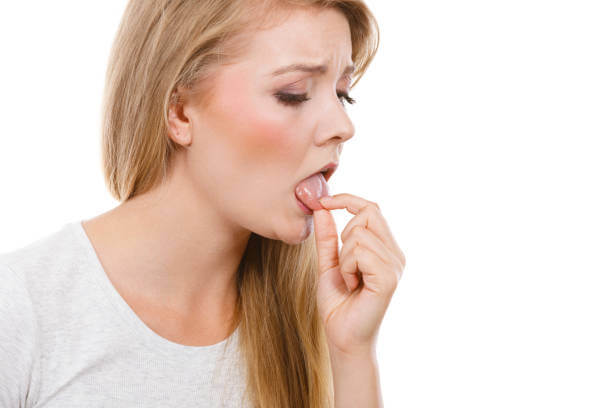
Occasionally, you may experience an unpleasant bitter taste in your mouth. It’s not uncommon to experience this reaction after consuming something a couple of hours ago.
The human system is a complex interwoven network working synchronously, and slight changes to this network can disrupt the digestive system as a whole.
Common medical conditions that can interfere and cause a temporal disdainful taste in your mouth include pregnancy, dry mouth, acid reflux, menopause, etc., lifestyle changes, and personal hygiene can provide a lasting solution to the condition.
However, frequent recurrence of a bitter taste in the mouth shouldn’t be neglected but treated as a medical emergency as this might be the side effect of an underlying medical condition. Consult a specialist for proper diagnosis and treatment.
It’s also important to note that a lingering or worsening bitter taste may have roots beyond the usual suspects. Health concerns such as diabetes, thyroid disease, nerve damage, head injuries, brain conditions, liver disease, and kidney disease can all impact your sense of taste. If you notice that the bitter taste persists for more than a week, or is accompanied by symptoms such as abnormal weight loss, ongoing fatigue, or generally feeling unwell, it could be an early sign of a more serious underlying issue. In these cases, seeking medical advice promptly is crucial, as subtle symptoms like a persistent bitter taste can sometimes be one of the first signs of conditions such as diabetes or liver problems.
Paying attention to your symptoms and consulting your healthcare provider when something feels off can make all the difference in early detection and effective treatment.
What Causes Bitter Taste in the Mouth?
A bitter taste in the mouth is not often a cause for concern; however, this experience can take a toll on your daily routine and interfere with your diet.
A couple of conditions can cause a bitter taste in your mouth, such of which include:
Dry Mouth
Saliva production in the mouth is an essential part of food digestion, as it aids in moisturizing and swallowing food molecules. When the salivary gland fails to produce sufficient saliva, it increases bacteria activities, leading to cavities infections, causing bad breath and a foul taste in the mouth.
Failure of the salivary gland to produce enough saliva is known as DRY MOUTH (xerostomia). A series of factors can cause this condition of which include age, medication, or autoimmune diseases.
But before you panic, consider this: one of the most common culprits behind an ongoing bitter taste is something as simple as dehydration. Many people don’t realize just how easy it is to fall short on fluids, especially as we get older and our thirst signals become more subtle. We often get caught up in daily routines and forget to check if we’re actually thirsty.
Drinking more water can moisturize the mouth and inhibit bacterial activities. Maintaining good hydration helps your salivary glands function properly, reducing the risk of dry mouth and the resulting bitter taste. So, if you find your mouth tasting unpleasant, start by sipping more water throughout the day. This small adjustment can make a significant difference in both your oral health and overall comfort.
Drinking more water can moisturize the mouth and inhibit bacterial activities.
Gastroesophageal Reflux Disease (GERD)
The human stomach contains gastric acid produced by the stomach lining; this acid helps break down food particles for easy digestion and absorption of nutrients by the body.
Gastrointestinal reflux disease occurs when the lower esophageal sphincter, responsible for opening and closing the esophagus, weakens and causes a free flow of stomach acid back into the esophagus.
The presence of leaked digestive enzymes in the esophagus can cause a sour or bitter taste in the mouth.
Medication
Medication prescribed for treating ailment can alter taste receptors in the tongue and brain, which can cause a bitter taste in the mouth. As stated in a medical journal published by the Canadian Family Physician, there are over 250 drugs that affect your taste receptors and cause a bitter taste in the mouth.
Medications that can cause a bitter taste in the mouth include:
- Drugs for maintaining neurological diseases such as migraines and Parkinson disease
- Antibiotics such as tetracycline, ampicillin, and trimethoprim
- Medicines to treat psychological conditions
- Medications prescribed during chemotherapy such as cyclophosphamide, and cisplatin
- A supplement containing zinc or copper
If you get an uncomfortable bitter taste from medication, you can contact your physician for a different prescription.
Poor Oral Hygiene
Lack of healthy oral hygiene is a common cause of a bitter taste in the mouth. Poor oral hygiene can cause a yeast infestation, alter taste perception and linger until the proper medication takes effect.
Smoking
Smoking is another major culprit behind a persistent bitter taste in the mouth and has far-reaching effects on oral health. When you smoke, harmful chemicals coat your oral tissues and saliva, which can alter your taste receptors and leave a lingering bitter or metallic sensation.
Smoking also impairs saliva production, creating a dry environment where bacteria thrive. This contributes to bad breath, gum disease, tooth decay, and can even dull your overall sense of taste over time. Continuous exposure to tobacco further damages your mouth’s delicate tissues and compromises oral hygiene.
Quitting smoking can help restore normal taste sensations and significantly improve oral health. If you’re struggling to break the habit, speaking to a healthcare professional can provide guidance and support.
Nasal Congestion
Nasal congestion, often associated with sinus infections, seasonal allergies, colds, or even recent viral infections, can significantly alter your sense of taste—sometimes causing a lingering bitter sensation in the mouth. When your nasal passages are blocked, inflammation reduces your ability to smell. Since smell is closely linked to taste, this disruption can make flavors seem dull or unpleasant.
Additionally, nasal congestion can force you to breathe through your mouth, leading to increased dryness. A dry mouth disrupts saliva flow, making it easier for bacteria to thrive and further intensifying that bitter taste.
To add to the complexity, commonly used antihistamines and decongestants, taken for relief, may also lead to mouth dryness and worsen the bitter sensation. If you notice persistent taste changes, especially after managing congestion, it’s wise to consult your healthcare provider.
Hormonal Changes
Hormonal changes can also cause a bitter taste in the mouth. This condition is quite prevalent during pregnancy and menopause. The bitter taste tends to subside at the end of these phases. If symptoms persist by the end of the stage, you should seek medication attention for proper diagnosis.
Pine Nut Syndrome
Pine nuts can leave a bitter taste in the mouth for about 12 to 48 hours after consumption. Although the cause of the bitter taste in the mouth is unknown, scientists still believe that the bitter taste can be attributed to genetic factors, processing methods, or the oil’s rancidity before consumption.
When to Be Concerned
While a bitter taste in the mouth is often harmless, it can sometimes signal a more serious health problem, especially when accompanied by other symptoms. If you notice additional issues such as unexplained weight loss, ongoing fatigue, or a general sense of feeling unwell, these could point to underlying conditions like diabetes or liver disease. Pay attention to these warning signs and consult a healthcare professional if they arise—early intervention is essential for effective treatment.
Diagnosis and Treatment
Before treatment, your doctor will ask a series of questions and health status to understand the condition’s underlying cause. Your doctor may order lab work for further diagnosis.
Treatment varies depending on the factor responsible for the bitter taste in your mouth; however, general home remedies highlighted below may help relieve or prevent the condition.
- Practice good oral hygiene by brushing twice daily
- Chew sugar-free gums to bolster saliva production
- Drink plenty of water to stay hydrated and inhibit bacterial invasion
- Consult your doctor for a changed prescription if your medication Is responsible for the bitter taste
- Avoid food that might trigger acid reflux
If all home remedies don’t suffice and the bitter taste lingers, you might need to visit a specialist.
While the condition isn’t a cause for concern, a persistent bitter taste in your mouth can make you uncomfortable and interfere with your social life. Embark on a treatment course after proper diagnosis by your doctor.