

Hearing that you have stage 3 chronic kidney disease can feel unsettling, especially if the diagnosis came after routine lab work and you were not feeling very sick. For many people in Angleton and across Brazoria County, the first question is simple: How serious is this, and what happens now? The good news is that stage 3 CKD is not the same as kidney failure, and many people can live with it for years with careful follow-up, good control of related health conditions, and steady lifestyle changes.
Medical disclaimer: This article is for educational purposes only. It is not a diagnosis, medical advice, or a substitute for care from a licensed healthcare professional.
What Stage 3 Chronic Kidney Disease Means
What chronic kidney disease is
Chronic kidney disease, often called CKD, means the kidneys are damaged or are not working as well as they should over time. Healthy kidneys help remove waste and extra fluid, support blood pressure control, help keep minerals balanced, and play a role in making red blood cells. When kidney function drops, those jobs become harder for the body to manage.
What “stage 3” means
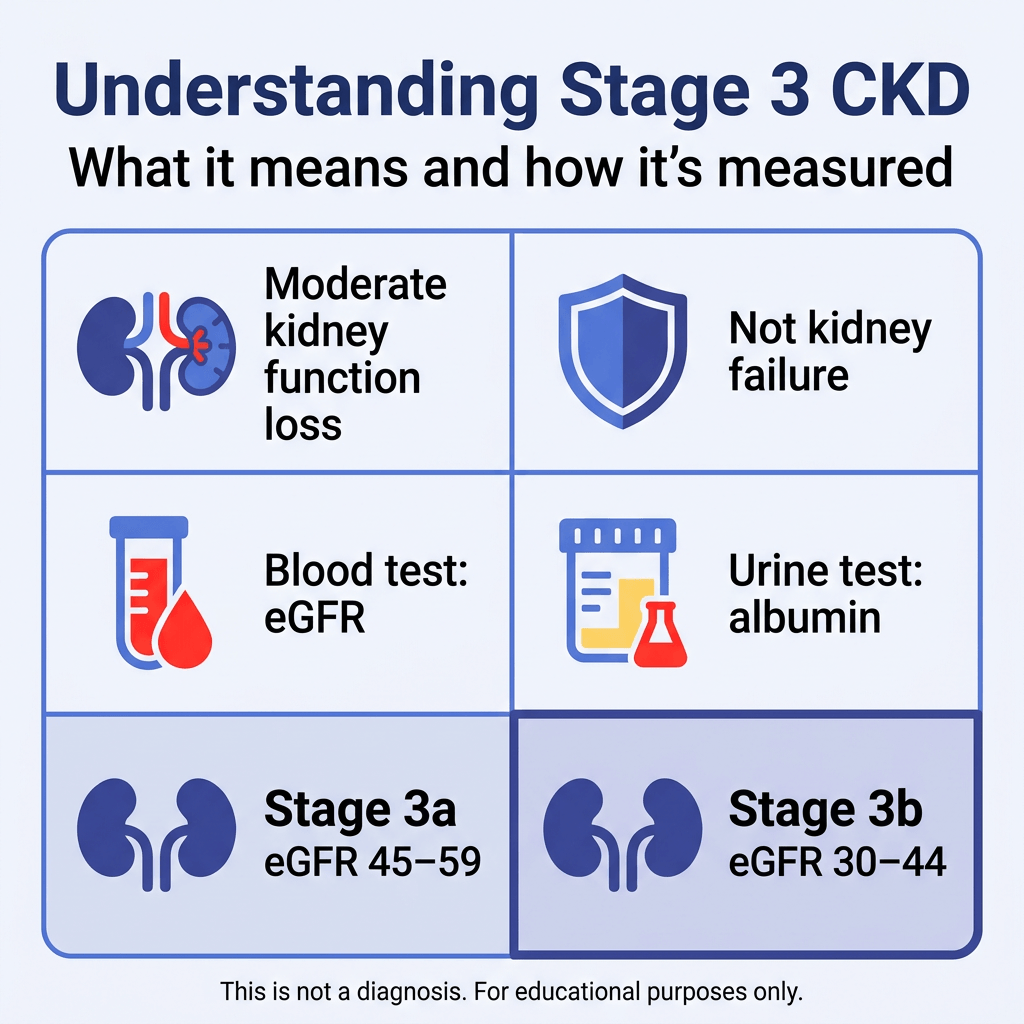
Stage 3 CKD means there is a moderate loss of kidney function. Doctors usually use a blood test called eGFR, or estimated glomerular filtration rate, to help stage kidney disease. In general, stage 3 CKD means kidney function is below normal but not in kidney failure range.
Stage 3a vs stage 3b
Stage 3 is usually divided into two parts:
- Stage 3a: eGFR 45 to 59 for 3 months or more
- Stage 3b: eGFR 30 to 44 for 3 months or more
That difference matters because symptoms and complications may become more noticeable as kidney function moves from 3a to 3b, even though both are still considered stage 3.
How Stage 3 CKD Is Usually Found
Many people do not find out they have stage 3 CKD because of pain or a dramatic symptom. They find out after routine blood work, diabetes follow-up, blood pressure care, or a general checkup. CKD often develops slowly, and early disease may cause few or no obvious symptoms.
The two main tests used to check for CKD are:
- a blood test for eGFR, which shows how well the kidneys are filtering
- a urine test for albumin, often measured as a urine albumin-creatinine ratio, which helps show whether protein is leaking into the urine
Even when stage 3 CKD is confirmed through kidney function numbers, urine albumin testing still matters because it gives a fuller picture of kidney health and helps clinicians monitor whether the disease may be getting worse over time.
Common Causes of Stage 3 Chronic Kidney Disease
The most common causes of CKD in adults are diabetes and high blood pressure. These two conditions are responsible for a large share of chronic kidney disease cases and are often the reason doctors look more closely at kidney labs in the first place.
Other possible causes can include:
- family history of kidney disease
- heart disease
- repeated kidney infections
- some autoimmune diseases
- structural kidney problems
- past kidney injury
- long-term exposure to medicines or conditions that can harm the kidneys
This is one reason stage 3 CKD is not the same for every patient. Two people can both have stage 3 disease, but their next steps may differ depending on why their kidney function dropped and whether the numbers have stayed stable or changed over time.
Stage 3 CKD Symptoms to Watch For
One of the most frustrating parts of stage 3 CKD is that some people still feel completely normal. That is not unusual. Kidney disease often stays quiet until it becomes more advanced or until complications begin to appear.
When symptoms do happen, they may include:
- feeling tired or low on energy
- swelling in the legs, ankles, feet, or hands
- dry or itchy skin
- nausea or poor appetite
- changes in urination, including going more or less often than usual
As kidney function moves deeper into stage 3, especially stage 3b, some people may also notice:
- trouble concentrating
- muscle cramps
- shortness of breath
- more obvious swelling
- vomiting or loss of appetite in more symptomatic cases
These symptoms can overlap with other medical problems, which is why symptoms alone do not confirm CKD. Blood and urine testing are still the key tools for finding and tracking kidney disease.
Can Stage 3 CKD Get Worse?
Yes, it can. CKD usually gets worse over time, but how quickly it changes is different for each person. Some people stay stable for a long time, while others decline faster because of uncontrolled diabetes, uncontrolled blood pressure, smoking, higher urine albumin levels, or other health problems affecting the kidneys and blood vessels.
This is why stage 3 CKD should be taken seriously, but not treated like a hopeless diagnosis. The goal at this stage is usually to slow progression, reduce complications, and protect the kidney function that remains.
Health Risks Linked With Stage 3 CKD
Stage 3 CKD can raise the risk of several health problems, even before a person reaches kidney failure. One of the biggest concerns is heart and blood vessel risk. CKD is linked with a higher risk of heart disease, stroke, and worsening blood pressure problems.
Stage 3 is also the point where complications may begin to appear, including:
- anemia, which can add to fatigue and weakness
- bone and mineral problems, caused by changes in calcium and phosphorus balance
- metabolic acidosis, which means too much acid can build up in the blood
- high blood pressure, which can both cause and worsen CKD
That does not mean every person with stage 3 will develop these problems. It means this is the point where regular follow-up becomes especially important, because blood tests, urine testing, and blood pressure checks can catch changes early.
What the Next Steps Usually Look Like
Follow-up testing
After a stage 3 CKD diagnosis, the next steps usually include repeat blood work, ongoing urine albumin testing, blood pressure checks, and review of the health problems most likely to affect kidney function. Repeating these tests matters because CKD is defined as a lasting problem, not just one abnormal number on one day.
Managing the cause behind the kidney disease
If diabetes is part of the picture, blood sugar control becomes a major part of protecting the kidneys. If high blood pressure is part of the problem, blood pressure control becomes one of the most important treatment steps. In many people, kidney care is really a combination of kidney care, heart risk reduction, blood pressure care, and diabetes management working together.
Reviewing medicines carefully
Medicine review matters more in stage 3 CKD because the kidneys help clear many medicines from the body. As kidney function drops, some medicines may need dose changes, and some may need to be avoided or used more carefully. This is especially important with over-the-counter pain relievers such as NSAIDs and with supplements that may not be kidney-safe.
Food and lifestyle changes
Many people with stage 3 CKD are advised to make practical lifestyle changes, such as lowering salt intake, being physically active, stopping smoking, aiming for a healthy weight, and following a kidney-conscious eating plan based on their lab results and other conditions. Not everyone needs the same diet, which is one reason a dietitian or clinician may individualize food advice rather than hand out one generic list.
Kidney-protective medicines
Some people with CKD may be prescribed blood pressure medicines such as ACE inhibitors or ARBs, especially when blood pressure or urine albumin is part of the problem. Depending on the cause of CKD and the patient’s overall health, clinicians may also use other medicines to help slow kidney damage and lower heart risk.
When a kidney specialist may be involved
Some people with stage 3 CKD are followed by their primary care clinician, while others may also see a nephrologist, a doctor who specializes in kidney disease. That decision often depends on how stable the kidney numbers are, how much urine albumin is present, whether complications are appearing, and whether the cause of CKD is clear.
What Stage 3 CKD Treatment May Include
Treatment at this stage is usually less about one dramatic procedure and more about a steady plan. That plan may include monitoring labs, protecting the kidneys from further damage, controlling blood pressure and blood sugar, adjusting medicines, improving diet, and watching for complications like anemia or mineral imbalance.
It is also important to understand what treatment usually does not mean at stage 3. For most people, stage 3 CKD does not mean dialysis. Stage 3 is still well above the kidney failure range, and many people remain in this stage for a long time with structured follow-up and better control of related health conditions.
When Stage 3 CKD Symptoms Should Not Wait
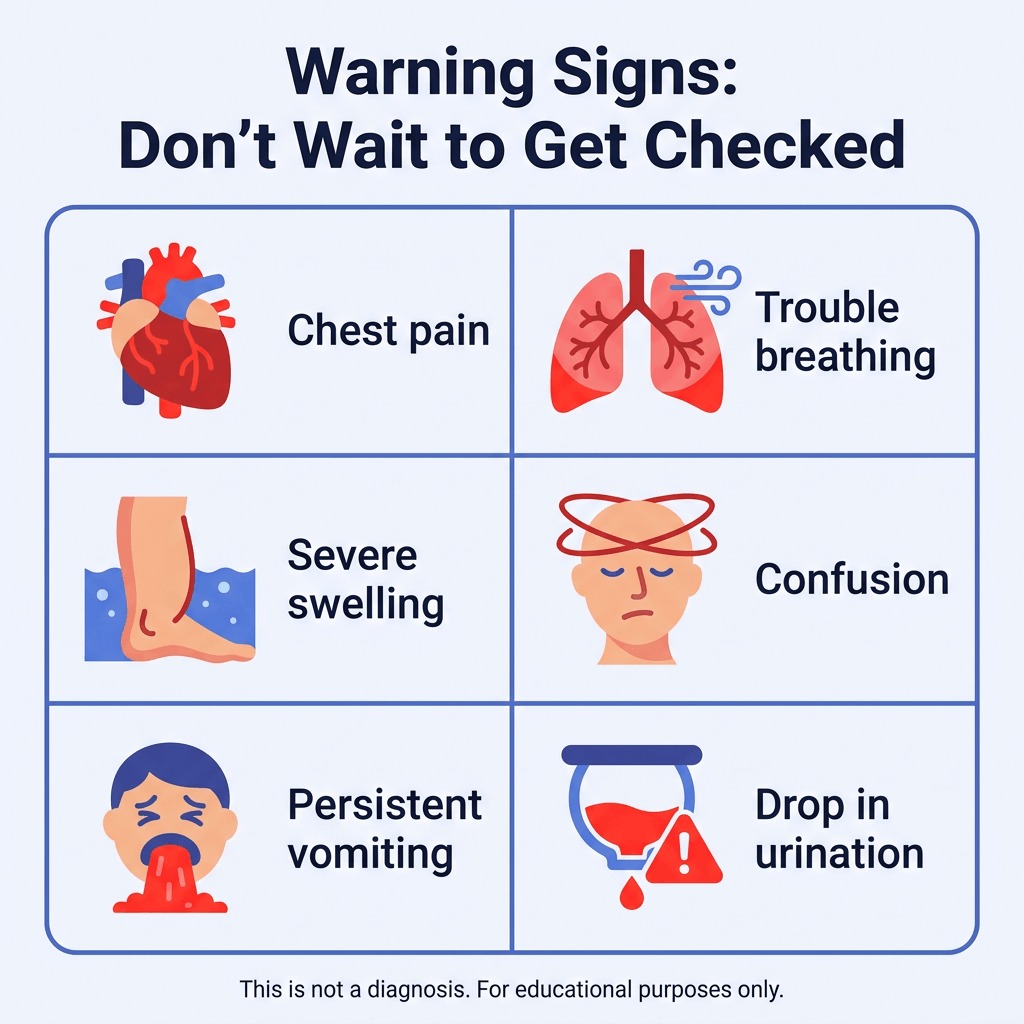
Even though this article is educational, there are times when symptoms should not be brushed aside. Prompt medical attention is important for symptoms such as:
- chest pain
- trouble breathing
- severe or sudden swelling
- confusion
- vomiting that will not stop
- very little urine or a sudden sharp drop in urination
- severe weakness that feels unusual or quickly worsening
If symptoms feel severe, fast-changing, or hard to explain, it is safer to get checked instead of waiting to see if they pass.
Near the end of care decisions like these, families in Angleton and Brazoria County often just want clarity. If kidney-related symptoms are getting worse, if swelling or breathing problems feel more serious, or if lab changes are raising concern, Angleton ER can evaluate urgent symptoms and help you decide what kind of follow-up is needed next.
Frequently Asked Questions
Is stage 3 chronic kidney disease serious?
Yes. Stage 3 CKD is a serious medical condition because it means there is a moderate loss of kidney function, but it is not the same as kidney failure. With the right follow-up, many people can slow progression and lower complication risk.
Is stage 3 CKD considered kidney failure?
No. Kidney failure is generally associated with an eGFR of 15 or less, while stage 3 CKD is above that range.
What is the difference between stage 3a and stage 3b?
Stage 3a means an eGFR of 45 to 59. Stage 3b means an eGFR of 30 to 44. Stage 3b usually reflects more loss of kidney function than stage 3a.
Can you have stage 3 CKD without symptoms?
Yes. Many people have few symptoms or none at all, especially earlier in the disease. That is why blood and urine testing are so important.
What symptoms can happen in stage 3 CKD?
Symptoms may include fatigue, swelling, dry or itchy skin, nausea, appetite changes, and changes in urination. In deeper stage 3 disease, trouble concentrating, muscle cramps, or shortness of breath may also happen.
Can stage 3 CKD get worse?
Yes. CKD can progress over time, but the speed is not the same for everyone. Blood pressure, diabetes control, smoking, urine albumin, and other health conditions can affect that risk.
What usually happens after diagnosis?
Most people need repeat labs, urine testing, blood pressure follow-up, medication review, and a management plan for the conditions contributing to kidney damage.
Do all people with stage 3 CKD need dialysis?
No. Stage 3 CKD does not automatically mean dialysis. Many people with stage 3 never need dialysis right away and may stay stable for a long time with proper care.
Can stage 3 CKD cause anemia?
It can. Stage 3 CKD is one of the stages where complications such as anemia may begin to appear, which is one reason follow-up blood work matters.
When should someone with stage 3 CKD get urgent medical care?
Urgent evaluation is important for symptoms like chest pain, trouble breathing, severe swelling, confusion, persistent vomiting, or a major drop in urination.