
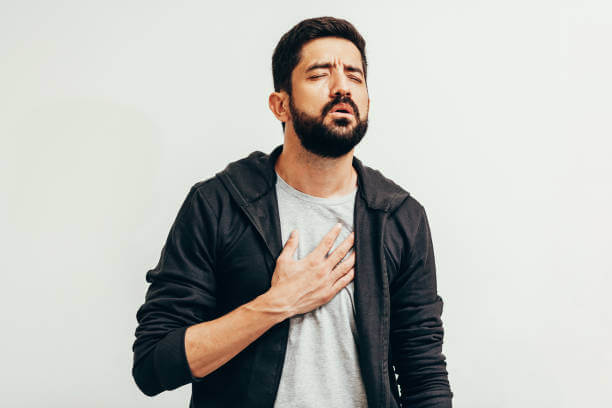
Shortness of breath, medically known as dyspnea, is a common symptom with many possible causes. When you experience shortness of breath, it means you can’t get enough air.
You might feel like you can’t breathe in deeply enough or that you’re not getting enough oxygen. Shortness of breath can make it difficult to do everyday activities, such as walking or climbing stairs.
How Does Shortness of Breath Feel?
The sensation of dyspnea can vary from person to person—and even from episode to episode. For some, it might feel like tightness in the chest or a sense that you need to force yourself to breathe more deeply. Others may notice they’re working harder just to get air in, or find that their breathing is faster than normal (tachypnea). Rapid heartbeats, wheezing, or noisy breathing (known as stridor) can sometimes accompany shortness of breath. In some cases, these symptoms appear suddenly, while in others, they develop more gradually.
Recognizing how your shortness of breath feels—and any other symptoms that come with it—can help you and your healthcare provider better understand what’s going on.
While often not a sign of a severe problem, dyspnea can indicate something more serious. Understanding the cause of shortness of breath is vital for getting the proper treatment.
What Causes Shortness of Breath?
The leading causes of shortness of breath are lung and heart problems. Healthy breathing is dependent on these organs to function appropriately and transport oxygen to your body.
Your heart and lungs work together to deliver oxygen-rich blood to your tissues and remove carbon dioxide. If either organ isn’t doing its job, you may find yourself short of breath—either because you’re not getting enough oxygen in, or you’re not able to get rid of carbon dioxide efficiently.
When your body senses this imbalance, it signals you to breathe harder or faster. Sometimes, everyday situations like exercising intensely or being at a high altitude (like hiking in the Colorado Rockies) can make you feel short of breath because your body needs more oxygen than usual.
Other times, you might notice a tight feeling in your chest, or feel like you have to work harder to breathe. This can happen if there’s:
- Irritation in your lungs (such as from allergies or infection)
- Restriction in how your lungs move (from conditions like asthma or fluid around the lungs)
- Resistance in airflow (due to blocked or narrowed airways from something like bronchitis or inhaling a foreign object)
Understanding these underlying causes can help pinpoint why breathing feels difficult and guide you—or your healthcare provider—toward the right treatment.
Shortness of breath can last for a few days, which is acute, or longer than three to six months, which in that case is chronic.
Acute causes can include a sudden infection, such as pneumonia, a blockage in the airways from a foreign body, or a severe allergic reaction. Other possible causes of acute shortness of breath include heart attacks, strokes, and pulmonary embolisms.
Chronic causes of shortness of breath can be due to long-term health conditions such as asthma, COPD, or heart disease. Sometimes cancer can cause chronic shortness of breath, as can other diseases that affect the lungs or heart.
What Are Paroxysmal Nocturnal Dyspnea (PND) and Sighing Dyspnea?
Shortness of breath can take on different patterns, depending on the underlying cause. Two specific types worth mentioning are paroxysmal nocturnal dyspnea (PND) and sighing dyspnea.
Paroxysmal nocturnal dyspnea (PND) is a sudden feeling of breathlessness that wakes you up from sleep, often after you’ve been lying down for an hour or two. People with PND may feel the urgent need to sit up or stand to catch their breath. This is commonly linked to conditions like heart failure, where fluid backs up into the lungs when lying down.
On the other hand, sighing dyspnea is characterized by frequent, noticeable sighs or deep breaths. These deep breaths may happen because you feel like you’re not getting enough air, prompting the urge to take a fuller breath. Sighing dyspnea can sometimes be associated with anxiety or hyperventilation, but it’s always worth discussing with your healthcare provider if it becomes persistent or disruptive.
Can Shortness of Breath (Dyspnea) Lead to Death?
Shortness of breath (dyspnea) usually isn’t life-threatening in a healthy person. However, for people with certain health conditions, dyspnea can signify a life-threatening problem.
Dyspnea that develops after 30 minutes of rest may signify heart failure. If you have dyspnea and chest pain, it may be a sign of a heart attack.
Dyspnea that develops suddenly or worsens over time may be a sign of airway obstruction, such as asthma or COPD. Dyspnea that occurs with chest pain, rapid heartbeat, or sweating may signify a pulmonary embolism.
If you have any of these symptoms, seek medical help right away. Dyspnea can be dangerous if left untreated.
Who is at Risk for Dyspnea?
Dyspnea, shortness of breath that is often severe, affects people of all ages and backgrounds. However, some groups of people are at a higher risk for dyspnea than others.
People with asthma are at risk for dyspnea, especially if they are not well controlled. Smokers are also at risk, as smoking can damage the lungs and make breathing difficult.
Obese people may be at risk for dyspnea because they often have problems with their hearts and lungs.
People who are infected or who have anxiety may also experience dyspnea. Poor fitness can also lead to dyspnea and lung and heart problems.
Other groups at increased risk include:
- People with anemia: A low level of red blood cells can lead to less oxygen being carried throughout the body, resulting in shortness of breath.
- Individuals with a history of smoking: Smoking damages the lungs and airways, making breathing more difficult and increasing the risk for respiratory issues.
- Those with chronic health conditions: Ongoing issues like asthma, COPD, or heart disease make it harder for the body to get enough oxygen.
- People with respiratory infections: Illnesses such as pneumonia can cause sudden breathing difficulties.
- Individuals taking certain medications: Some drugs, like beta-blockers or statins, may contribute to breathing problems in susceptible people.
- People exposed to extreme temperatures: Very hot or cold environments can make breathing harder, especially in those already at risk.
- Those with muscle deconditioning: Lack of regular exercise can weaken muscles, including those used for breathing, leading to increased breathlessness.
- People with sleep apnea: This condition can cause episodes of shortness of breath at night.
Overall, anyone can experience dyspnea under the right circumstances, but certain health issues, lifestyle factors, and even specific medications can raise the risk significantly.
How Will My Physician Diagnose Shortness of Breath?
If you are experiencing shortness of breath, your physician will likely perform a physical exam and order several blood tests. One standard test is pulse oximetry, which measures the amount of oxygen in your blood.
A chest X-ray may also be ordered to look for any abnormalities in your lungs. If your physician suspects you may have a heart problem, they may request a CT scan or other special imaging tests.
What are the Treatment Options for Shortness of Breath?
Treatment options depend on the cause of the dyspnea.
If the cause is an underlying medical condition, treatment of that condition may improve symptoms of shortness of breath. For example, if a person has congestive heart failure, medications to improve heart function may help to relieve shortness of breath.
If exercise is the cause of dyspnea, increasing activity levels gradually may help to improve symptoms. In some cases, oxygen therapy may be needed to help increase oxygen levels in the blood and improve breathing.
Medications such as bronchodilators or steroids may be prescribed to open up the airways and reduce inflammation in people with asthma or COPD who experience shortness of breath with activity.
Can Dyspnea Be Cured?
Whether dyspnea can be cured depends on its underlying cause. In many cases, shortness of breath can be managed and even resolved if the root problem is treated effectively. For instance, infections that cause temporary breathing difficulty, like pneumonia, often improve with the right medications. Likewise, controlling asthma or adjusting medications for heart conditions can help reduce or prevent episodes of shortness of breath.
However, for people with chronic health issues such as COPD or advanced heart disease, dyspnea may persist or return even after initial symptoms improve. In these situations, the focus is on long-term management—using medications, lifestyle changes, and in some cases, supplemental oxygen—to keep symptoms as minimal as possible.
It’s important to work closely with your healthcare provider to identify the cause and develop a plan tailored to your needs.
How Can I Relieve or Manage Shortness of Breath?
There are several things you can do to help relieve or manage SOB:
- Quit smoking. Smoking is the leading cause of the chronic obstructive pulmonary disease (COPD), significantly contributing to SOB.
- Maintain a healthy weight. Being overweight or obese can make breathing more difficult.
- Avoid inhaling chemicals. Chemicals such as dust, smoke, and fumes can aggravate breathing problems.
- Avoid activities in humid or cold weather. Humid weather can aggravate respiratory problems, and cold weather can make breathing difficult.
- Practice breath control exercises. This can help you get more air in and out of your lungs.
- If you have difficulty breathing, make sure your oxygen equipment is working correctly and using it correctly.
In addition to these steps, it helps to:
- Work with your healthcare provider to create a care plan for managing any underlying conditions. This may include specific medications, when to take them, and tailored exercise or breathing treatments.
- Practice relaxation techniques or gentle breathing exercises to help your lungs work more efficiently and reduce anxiety that can worsen shortness of breath.
- Pay attention to air quality. If you have lung problems, stay indoors when air pollution is high or when ozone alerts are issued—these are often available with your local weather forecast.
- Avoid exposure to irritants like paint fumes, car exhaust, or strong cleaning agents.
- Gradually increase your activity level if exercise tends to bring on symptoms, always following your physician’s recommendations.
Taking these actions can help keep your symptoms under control and may also prevent episodes of severe shortness of breath.
How Seriously Does My Shortness of Breath Need to Be Before I See a Doctor?
Many people believe that if their shortness of breath is not severe, they do not need to see a doctor. This is not always the case. Several symptoms can accompany shortness of breath, which may require medical attention.
One such symptom is blue lips or fingers. If this occurs, it is crucial to seek medical attention right away, as it could be a sign of a severe condition such as cardiac arrest.
Another symptom to look out for is a high fever. Fever can be a sign of many different illnesses, some of which can be pretty serious. If your fever reaches 103 degrees or higher, you should seek medical help.
Swollen ankles can also be a sign that something is wrong. If one or both ankles become significantly swollen, it may indicate an underlying health problem. You should seek medical attention if this occurs.
In conclusion, there are many possible causes of shortness of breath. While some may be benign and easily treatable, others can be life-threatening. If you are experiencing shortness of breath, it is crucial to seek medical attention to determine the cause and appropriate treatment.