
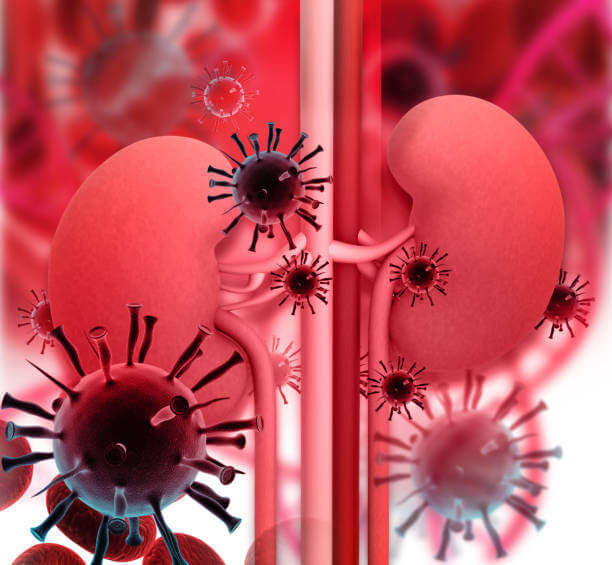
Kidney pain is a common ailment that can result from various things, including infection, kidney stones, and even cancer. The pain can range from mild to severe and may occur alongside other symptoms, such as fever, nausea, and vomiting.
If you are experiencing kidney pain, it is crucial to seek medical attention right away to get the proper diagnosis and treatment. While aches and pains in your side or back are common and can sometimes be harmless, persistent or deep kidney pain—especially if it comes and goes or is accompanied by other symptoms like fever, nausea, or vomiting—should never be ignored. Some causes of kidney pain can be serious and require prompt evaluation by a healthcare provider to determine the underlying issue and help you feel better.
What is Kidney Pain?
Kidney pain refers to discomfort in the kidney region. People usually describe it as a dull, aching feeling on their sides, backs, or bellies. However, the pain in these areas does not always indicate a kidney problem.
Back pain can easily be mistaken for kidney pain. However, kidney pain differs from back pain in how it feels and where it happens.
While aches and pains in your side or back are common and can sometimes be harmless, persistent or deep kidney pain—especially if it comes and goes or is accompanied by other symptoms like fever, nausea, or vomiting—should never be ignored. Some causes of kidney pain can be serious and require prompt evaluation by a healthcare provider to determine the underlying issue and help you feel better.
Pain in the kidneys can have a variety of causes, some of which are serious. If you suspect that either or both of these organs are causing you pain, inform your doctor.
What are the Symptoms of Kidney Pain?
The following are noticeable signs of kidney pain:
- An achy feeling that usually lasts for a long time
- A groin or belly ache that can spread
- Sometimes both sides hurt, but usually just one
- In your stomach or under your rib cage, you feel pain
- Pain that comes in waves or is sharp or severe
Depending on the cause, your kidney pain will have different symptoms. These include:
- Vomiting
- Fever
- Bloody urine
- Cloudy urine
- Pain when you urinate
What are the Causes of Kidney Pain?
Kidney problems could result in pain since the kidneys filter blood, form urine, and expel it through tubes called ureters.
There are several causes of kidney pain, including:
- Kidney infection (pyelonephritis): When bacteria from the bladder infect the kidneys, it is called a kidney infection. A kidney infection is more common among people with diabetes or a blocked urinary tract. Chronic cases often result in repeated infections, and chronic kidney damage as urine flows backward from the bladder to the kidneys due to a problem in the urinary tract. This condition is known as vesicoureteral reflux (VUR), where urine reverses its normal path and moves from the bladder back up toward the ureters or kidneys. Over time, this backward flow can cause persistent infections and gradually damage kidney tissue, making it crucial to address VUR early to prevent long-term complications.
- Kidney stones: A stabbing pain that is intense and sudden, could be a kidney stone. A ureter is a tube that connects your kidney and bladder. Over time, deposits can accumulate, causing them to block. Your back or side will hurt if that happens. The pain may spread to your groin as well. Peeing out the stone may cause you to experience waves of pain.
- Urinary tract infection (UTI): occurs when bacteria remain behind in the urinary tract after urination. Fever and cloudy urines are possible symptoms and a general feeling of exhaustion.
- Kidney swelling: If your kidneys are blocked, this condition is known as hydronephrosis. Insufficient drainage causes your urine to build up in your kidneys. Usually, this happens in one kidney, but sometimes in both.
- An injury or trauma: An injury or trauma to the kidney area (such as an accident or a contact sport) can cause a laceration or other physical damage. These incidents can also disrupt normal kidney blood flow. From kidney trauma, one may experience acute kidney failure (sudden).
- Kidney cysts: Small kidney cysts may not be noticeable until they grow larger. When the mass gets big, you may feel a dull pain in your side or back or feel it in your upper belly region.
- Kidney cancer: You may not feel any discomfort from kidney tumors in the early stages. As the cancer worsens, you may experience persistent pain in your side, back, or abdomen that does not go away.
Polycystic Kidney Disease (PKD)
Polycystic kidney disease, or PKD, is a condition you inherit at birth. It causes clusters of fluid-filled sacs called cysts to develop inside your kidneys. Over time, these cysts can grow larger and take up more space within the kidneys, sometimes causing them to expand well beyond their usual size.
As PKD progresses, the growing cysts can press on surrounding tissue, leading to a dull, persistent ache in your sides, back, or abdomen. Larger cysts may also interfere with normal kidney function, which can result in additional symptoms like high blood pressure or blood in your urine. Most people with PKD feel pain when the cysts become sizable or if they suddenly rupture.
Polycystic kidney disease runs in families, so if you have a relative with this condition and start noticing chronic kidney pain, it’s a good idea to share this history with your doctor.
Ureteral Stricture and Its Link to Kidney Pain
A ureteral stricture occurs when the ureter—the tube that carries urine from your kidney to your bladder—becomes abnormally narrow in one or both sides. When this tube narrows, it makes it harder for urine to flow out of the kidney as it should. As a result, urine can back up and place pressure on the kidney, often leading to pain in your side, back, or lower belly. If left untreated, this blockage may increase the risk of further complications, such as infections, kidney swelling, or even kidney damage. Like other causes, a ureteral stricture deserves your doctor’s attention for an accurate diagnosis and effective treatment.
What is Urinary Retention and How Does It Relate to Kidney Pain?
Urinary retention happens when you are unable to completely empty your bladder, even if you feel the urge to urinate. This may cause the bladder to become overfilled and stretched, leading to discomfort or pain in your lower abdomen.
In severe cases, the pressure from a full bladder can back up into the kidneys—especially if there’s a blockage. This backup may cause kidney pain, often felt in the side or lower back, and can raise your risk for infections or even kidney damage if left untreated. If you notice difficulty urinating along with pain near your kidneys, it’s important to reach out to your doctor promptly.
How Do You Treat Kidney Pain?
The treatment for kidney pain depends on the underlying cause. Your physician can use the following tools to pinpoint the cause of your symptoms:
Imaging tests
With an ultrasound or CT (computed tomography) scan, you can identify urological stones and assess blood flow.
Urinalysis
The exam determines if there is blood, an excess of white blood cells (which may indicate an infection), proteins, and certain chemicals that may indicate kidney disease.
Treatment Options
Once the cause is identified, treatment may include:
- Antibiotics to clear up kidney or urinary tract infections.
- Procedures to break up or remove kidney stones, such as extracorporeal shock wave lithotripsy (ESWL) or, in some cases, minor surgery.
- Dialysis if your kidneys aren’t filtering your blood effectively.
- Surgery to relieve blockages, correct narrowing, or address other structural issues preventing urine from flowing properly.
Ultimately, your doctor will recommend a treatment plan tailored to your diagnosis, the severity of your symptoms, and your overall health. Early intervention can help you avoid complications and restore kidney function more quickly.
How Are Kidney Stones Treated?
If kidney stones are the culprit behind your pain, there are a range of options to help you feel better and clear the blockage.
- Drinking Lots of Water: For smaller stones, your doctor may recommend increasing your fluid intake to help flush the stone out naturally.
- Pain Relief Medication: Managing discomfort is important. Over-the-counter pain relievers or medicines prescribed by your physician can help ease the pain as the stone passes.
- Medical Procedures: If the stone is too large or causing a blockage, your doctor might suggest:
- Shock wave lithotripsy—a non-invasive procedure that uses sound waves to break the stone into smaller pieces, making it easier to pass.
- Ureteroscopy—where a small scope is inserted through the urinary tract to remove or break up the stone.
- Surgical removal in rare cases, especially if other methods aren’t effective.
Remember, treatment is tailored to your situation. Your doctor will recommend the best solution based on the size and location of the stone, as well as your overall health.
How Are Kidney Infections Treated?
When it comes to kidney infections, your doctor will tailor treatment to address the underlying infection and relieve your symptoms. Common options include:
- Prescription antibiotics: These are the mainstay of therapy and are selected based on the specific bacteria causing the infection. Most people start feeling better after a few days, but it’s important to complete the full course.
- Pain relief: Over-the-counter pain medicine (like acetaminophen) can help ease aches, though be sure to use these only as directed by your doctor—some pain relievers can stress the kidneys further.
- Fluids: Staying hydrated aids in flushing out bacteria. Your physician may advise drinking extra water, sometimes even recommending fluids via IV if dehydration is present.
- Hospital care: For severe infections (especially if accompanied by high fever, vomiting, or inability to keep fluids down), a stay in the hospital may be necessary. There, you’ll receive antibiotics and fluids through an IV.
- Drainage procedures: In rare cases where an abscess has formed or there’s a blockage, a minor surgical procedure may be needed to allow urine to flow freely or to drain infected material.
Always follow your physician’s instructions closely. Early treatment is the best way to avoid complications like kidney scarring or long-term damage.
When Is Surgery Necessary for Kidney Pain?
Most kidney pain can be managed with medication, lifestyle changes, or minimally invasive procedures. However, surgery may be necessary in certain situations, especially if less invasive treatments haven’t resolved the problem.
Some examples of when surgery might be recommended include:
- Blockages in the urinary tract: If kidney pain is caused by a blockage—a narrowing or obstruction in the tubes that carry urine—surgical intervention may be needed to restore normal flow.
- Large or unpassable kidney stones: While many kidney stones pass on their own or respond to less invasive treatments, very large stones or those that get stuck might require surgical removal.
- Structural problems: Conditions like congenital defects, scars, or abnormal growths can disrupt urine flow or cause recurring infections, making surgery a necessary step to prevent ongoing damage.
- Tumors or cysts: Growths within or on the kidney, such as tumors (benign or malignant) or large cysts, often need to be surgically removed to protect kidney function and overall health.
Your doctor will evaluate your specific situation—using imaging tests, urine analysis, and other diagnostics—to decide if surgery is the best option. Always discuss the risks and benefits of surgery thoroughly with your healthcare provider before proceeding.
Can You Take Over-the-Counter Pain Relievers for Kidney Pain?
If you’re dealing with kidney pain, you might wonder whether it’s safe to reach for common pain relievers. Mild pain may be managed temporarily with over-the-counter medications like acetaminophen. However, it’s important to consult your doctor before taking anything, especially if you have kidney issues or other underlying conditions.
Here are some tips to keep in mind:
- Limit NSAIDs: Medications such as ibuprofen and naproxen can sometimes further damage the kidneys if used regularly or in high doses. Always check with your healthcare provider before using these for kidney pain.
- Acetaminophen Caution: Acetaminophen is usually safer for brief relief, unless you have liver concerns. Even then, it’s best to use the lowest effective dose for the shortest period possible.
- Avoid Self-Diagnosing: Kidney pain often signals an underlying problem that needs to be addressed at the source, not just masked.
When in doubt, reach out to your doctor. Persistent or severe pain, especially if accompanied by other symptoms, is always worth a professional evaluation.
What Can I Do at Home to Relieve Kidney Pain?
While waiting to see your healthcare provider, there are some steps you can take at home to help manage mild kidney pain:
- Stay well hydrated: Sipping plenty of water may help, especially if you’re prone to kidney stones. Just be sure not to overload on fluids, particularly if your doctor has given you special instructions for fluid intake. Steer clear of caffeine and alcohol, as they can irritate your kidneys or dehydrate you.
- Ease discomfort: For temporary relief, you may use over-the-counter pain medications like acetaminophen if you have no contraindications. Avoid using NSAIDs (such as ibuprofen) unless your doctor has told you they’re safe for you, as these can sometimes worsen kidney issues.
- Rest and gentle heat: Resting and applying a warm compress or heating pad to the affected area may help dull the ache. Just avoid using the heat source for prolonged periods or while sleeping.
- Monitor your symptoms: Pay close attention to any changes in your pain or the appearance of new symptoms (like fever, worsening pain, or unusual urine). Keep track so you can share details with your healthcare provider.
Home care is not a substitute for professional evaluation, especially if the pain is severe or persistent. If your discomfort continues or worsens, reach out to your doctor for further assessment.
What is Dialysis and When Is It Used for Kidney Pain?
Dialysis is a medical treatment used when your kidneys are no longer able to effectively filter waste and excess fluids from your blood. This process steps in as a substitute for your own kidneys, often needed when there’s significant kidney damage or failure.
Doctors may recommend dialysis if you experience:
- Severe kidney function loss due to sudden injury or ongoing disease
- Symptoms like swelling, confusion, or persistent nausea related to kidney failure
- Dangerous levels of waste products in your blood that can’t be managed with medication alone
Dialysis doesn’t treat the underlying cause of kidney pain itself, but it helps control the complications that come from your kidneys not working as they should. The treatment may be temporary, such as after a sudden injury with a chance of recovery, or ongoing if your kidneys cannot regain function. Your physician will guide you on whether dialysis is necessary based on your specific diagnosis and overall health.
When Should I See a Doctor?
If you have persistent pain in the kidney area or if you have back pain and any of the following symptoms, you should consult a physician as soon as possible:
- Fever
- A bloody urine
- Feelings of lethargy or illness that won’t fade
- Urine that contains solid material (kidney stones)
- Intense pain while urinating
- Urges for urination repeatedly
- Urine with discoloration
Call Angleton ER at 832-581-2277 or visit our 24/7 emergency room for more information on kidney pain.