
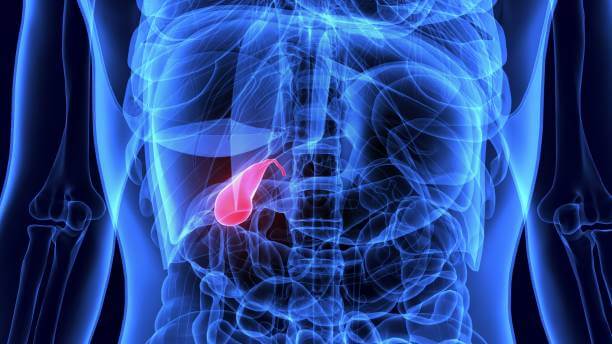
Are you among the 20 million Americans who suffer from gallbladder disease? If you are looking for non-surgical gallbladder treatment, then you’ve come to the right place.
Your gallbladder has one job; to store and release the fluid necessary to properly digest fatty foods. When you don’t eat fatty foods or in moderation, this organ doesn’t have much responsibility.
Gallstones can form in the gallbladder for several reasons, but often, lifestyle choices play a significant role. Gallbladder attacks can be extremely agonizing and painful.
If you have gallstones, you might notice more pain after eating high-fat foods. That’s because fatty foods stimulate your gallbladder to release bile, which can aggravate existing gallstones and potentially trigger an attack. This is why people prone to gallbladder problems are often advised to avoid heavy, greasy meals—think fried chicken, cheeseburgers, or buttery pastries.
Avoiding fatty foods may help prevent them from forming; however, optimizing your diet and lifestyle is the most effective way to minimize your chances of developing gallstones or causing a gallbladder attack.
By making mindful choices about what you eat, you can help your gallbladder do its job without unnecessary strain or discomfort.
Symptoms of Gallbladder Attack
Cholecystitis (gallbladder inflammation) and cholestasis (gallstones) are the two most common gallbladder disorders.
Gallstones are tiny, stone-like objects that can form in your gallbladder—often made up of cholesterol or fragments of blood pigment. Many times, gallstones remain in the gallbladder without causing any symptoms. However, problems arise when a gallstone becomes lodged in one of the bile ducts, which connect your gallbladder, liver, and small intestine. This blockage can trigger a sudden and sharp pain in the upper right part of the abdomen—a classic sign of an acute gallstone blockage, also known as a gallbladder attack.
The following symptoms are common in those with gallstones:
- Pain in the abdomen
- Nausea
- Vomiting
- Jaundice
- Loss of appetite
- Fever
You might notice that your pain intensifies after eating high-fat foods. This is because fatty foods prompt your gallbladder to release bile, which can aggravate existing gallstones and lead to discomfort or even pancreatitis (an inflammation of the pancreas).
Consult your doctor if you experience any of the symptoms above.
How Are Gallbladder Problems Diagnosed?
If you’re experiencing the symptoms listed above—persistent pain in the upper right abdomen, nausea, or vomiting after meals—it’s important not to delay medical attention. Ignoring these signs can lead to more serious complications, including infections or a ruptured gallbladder.
Your healthcare provider will start by reviewing your symptoms and medical history. Diagnosis commonly involves:
- Physical Examination: Your doctor will gently press on your abdomen to check for tenderness, especially in the upper right side.
- Imaging Tests: An abdominal ultrasound is typically the first step, as it’s noninvasive and effective at spotting gallstones or inflammation. In some cases, a CT scan or HIDA scan (a special imaging procedure to track bile flow) might be recommended for further evaluation.
- Blood Tests: These help identify signs of infection, inflammation, or any issues with your liver and pancreas that can be associated with gallbladder disease.
Diagnosing gallbladder problems can sometimes be tricky because the symptoms may overlap with other digestive issues. That’s why a thorough evaluation with your healthcare provider is essential to pinpoint the cause and guide the right treatment.
While there are no gallstones symptoms until one of them becomes lodged in a bile duct and causes a blockage, the most common sign of acute gallstone blockage is a sudden, sharp pain in the upper right part of the abdomen.
The following symptoms are common in those with gallstones:
- Pain in the abdomen
- Nausea
- Vomiting
- Jaundice
- Loss of appetite
- Fever
Consult your doctor if you experience any of the symptoms above.
Foods to Avoid If You Have a Gallbladder Attack
Many foods to avoid when searching for gallstone remedies; however, gallstone diets do not leave you starving.
Although gallstones won’t disappear just by changing your diet, a healthy diet balanced in nutrients and low in cholesterol might ease your symptoms. Dietary guidelines recommend lowering your fat intake, so you should avoid:
- high-fat foods
- fried foods
- creamy soups
- pizza
- oil
- alcohol
- Chocolate
It’s especially important to watch your alcohol intake during a gallbladder attack. Drinking too much alcohol can make your bile thicker and harder for your gallbladder to process, increasing the risk of gallstones and biliary sludge—both of which can block bile flow and trigger pain or digestive troubles. Since your liver and gallbladder work hand-in-hand, any damage to the liver from heavy drinking can disrupt bile flow, making gallbladder issues worse. If you’re aiming to keep your gallbladder happy, limit alcohol and stay hydrated with plenty of water.
Can You Eat Eggs If You Have Gallstones?
Eggs can still be on the menu if you have gallstones, but preparation matters. Opt for boiled or poached eggs rather than fried or scrambled in butter and oil—keeping added fats to a minimum helps avoid triggering symptoms. If you find that whole eggs upset your stomach, you might tolerate just the egg whites instead, since they’re lower in fat and gentler on the digestion. Listen to your body and adjust accordingly.
Fiber-rich foods, such as cereal, nuts, whole-grain bread, and many vegetables can also cause bloating and gas, making patients uncomfortable. In particular, some vegetables—especially cruciferous ones like broccoli, cauliflower, cabbage, and Brussels sprouts—are more likely to lead to bloating and discomfort if you have gallstones. You may also want to limit onions and garlic, as well as legumes such as beans, lentils, and peas, if you notice they trigger symptoms.
Is Rice Safe to Eat with Gallstones, and Which Types Are Best?
Rice can generally be part of your diet if you have gallstones, but it’s important to choose the right kind. While white rice is lower in fiber and can sometimes lead to poor digestion, whole grain options like brown rice, wild rice, barley, or even quinoa are the smarter choices. These varieties provide more fiber, which can help keep your digestion moving smoothly and support overall gallbladder health.
If you’re sensitive to fiber or prone to bloating, start with small portions and see how your body responds. The key is moderation—pair whole grains with plenty of vegetables and lean proteins to create balanced, gallbladder-friendly meals that won’t leave you feeling uncomfortable.
Fiber-rich foods, such as cereal, nuts, whole-grain bread, and many vegetables can also cause bloating and gas, making patients uncomfortable.
Risk factors for Gallbladder Attack
The prevalence of gallstones is higher among women than among men. Taking hormonal birth control or using hormone replacement therapy increases the risk of gallstones in women. Other risk factors include:
- Genetic(family history of gallbladder problem)
- obesity
- diabetes
- lactose intolerance
- coronary artery disease
- age
Some medications can also increase your risk of developing gallstones.
How to Prevent a Gallbladder Attack
The Gallbladder Diet is a modified eating program that consists of foods that help prevent gallstone formation and reduce the size of existing gallstones.
It is crucial to consume a low-fat diet that includes a variety of fruits and vegetables, whole grains, and low-fat dairy products because cholesterol is soluble in fat; thus, fat-free diets have a beneficial effect on cholesterol levels.
Foods to Include for Gallbladder Health
To further support your gallbladder, focus on foods that are naturally high in fiber and low in saturated fat. Consider adding the following to your diet:
- Beans and legumes: Lentils, chickpeas, and black beans are filling and fiber-rich.
- Fresh or frozen fruits and vegetables: Aim for a colorful variety each day.
- Healthy fats in moderation: Use small amounts of olive oil, avocado, nuts, seeds, or natural peanut butter.
- Lean proteins: Choose skinless poultry, pork tenderloin, or fish, prepared by baking, grilling, or poaching rather than frying.
- Whole grains: Brown rice, quinoa, barley, and oats support digestion and provide lasting energy.
- Low-fat dairy: Skim or 1% milk and yogurt are good options.
Common Questions
Can I eat eggs with gallstones?
Eggs can be part of your diet if they’re prepared without added fat—think boiled or poached. If eggs tend to cause discomfort, stick to egg whites.
Can I eat rice with gallstones?
Absolutely—just opt for whole grains like brown rice, quinoa, or barley over refined white rice for better fiber content and improved digestion.
By making these simple swaps, you can enjoy a satisfying, nutrient-rich diet that supports both your gallbladder and overall health.
A low-fat diet also decreases the number of bile salts that the liver must excrete. Reducing these highly irritating compounds will diminish the risk of forming gallstones. For an effective diet plan, you should practice the following:
- do not overeat and avoid refined carbohydrates, which include sugar.
- consume more polyunsaturated fats and avoid trans or saturated fat
- Eat lean meats in moderation
- Exercise regularly if possible
- Practice flushing by drinking at least 6-8 glasses of water each day
- Try to lose weight if obese slowly
If you experience an acute gallbladder problem, your doctor may recommend a surgical procedure to remove it to improve health and quality of life. Bile can still be made by your liver and transported directly to the small intestine for digestion.
Before gallbladder removal, you must follow a liquid diet for up to a week. The diet can include water, apple juice, chicken broth, and tea.
Despite the limitations, it is a diet that lowers complications and risks following surgery, even though it may not be an ideal meal for a recovering patient.
What to Eat After Gallbladder Surgery
After surgery, your diet will need to be gradually adjusted as your digestive system adapts. For the first few weeks post-operation, stick to foods that are low in fat and cholesterol. It’s also helpful to avoid:
- Alcohol
- Caffeine
- Gas-producing foods such as beans, broccoli, or carbonated beverages
- Spicy foods
- Sugary treats like pie, cake, or desserts
Within about four weeks, most people can resume a more typical diet, but it’s wise to keep fat and cholesterol on the lower side. Some people may notice changes in digestion without a gallbladder, such as bloating or discomfort.
To help your body adjust, try eating smaller meals more frequently, and include high-fiber fruits, vegetables, and whole grains. These dietary changes can help improve digestion and overall comfort after surgery.
Conclusion
If you are suffering from gallbladder disease, it may be good to see a dietician or nutritionist help formulate a good gallstone diet. Gallbladder problems can be life-threatening if not properly diagnosed and treated.
Suppose you consistently follow your doctor’s recommendation. In that case, ultimately, you may have a healthy gallbladder that will benefit your overall health and keep your whole body more beneficial in the long run.