
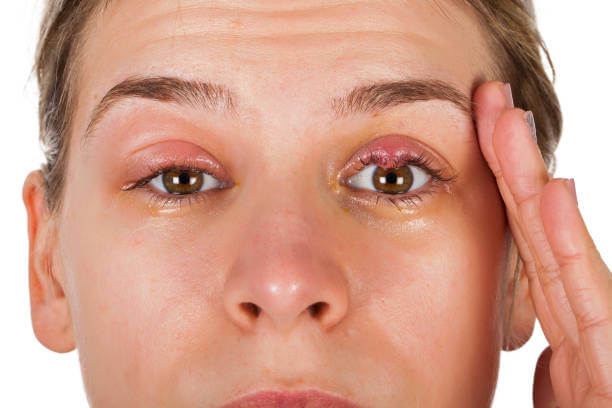
A swollen eyelid occurs when fluid builds up in the eyelid tissues or when the eyelid becomes inflamed. Swelling may affect the upper eyelid, lower eyelid, or both, and may involve one or both eyes.
Most cases are mild and temporary, such as those caused by allergies, irritation, or minor gland blockages. However, swelling accompanied by pain, fever, vision changes, or eye bulging may indicate a more serious condition requiring prompt medical care.
Common Symptoms of Eyelid Swelling
Mild Symptoms
- Puffiness around the eyelid
- Mild redness or irritation
- Itching (commonly in allergies)
- Slight discomfort without significant pain
Moderate to Concerning Symptoms
- Noticeable tenderness
- A localized lump (stye or chalazion)
- Increasing redness or warmth
Red-Flag Symptoms (Seek Medical Care Promptly)
- Severe eye pain
- Pain when moving the eye
- Vision changes (blurred, double, or loss of vision)
- Fever or feeling unwell
- Eye bulging or protrusion
- Rapidly worsening swelling
- Inability to open the eye due to swelling
Other Possible Symptoms
- Crusting or discharge around the eyelashes
- Gritty or burning sensation
- Excessive tearing
- Sensitivity to light (photophobia)
What Does Eye Discharge Mean When Your Eyelid Is Swollen?
Discharge from the eyes can offer clues about what’s causing swollen eyelids. A watery, clear discharge is often linked to viral infections or allergies—think of it as your immune system trying to flush out irritants. In contrast, thicker yellow or green discharge usually points toward a bacterial infection.
Keep in mind:
- Clear discharge generally suggests a viral or allergic process.
- Yellow or green discharge is a red flag for bacteria.
- Crusting along the lashes may also occur, especially upon waking.
If the discharge is persistent, increasing, or accompanied by pain or vision changes, it’s wise to seek medical evaluation to rule out serious eye conditions.
High-Interest User Topics (Based on Real Search Queries)
These sections answer the most frequent real-world search queries from your Search Console data.
Why Is My Eyelid Swollen but Not Painful?
Painless swelling is commonly caused by:
- Chalazion (blocked oil gland; usually painless unless inflamed)
- Allergic swelling (puffiness + itching, little or no pain)
- Fluid retention (after sleeping, crying, or high-salt meals)
Pain-free swelling is usually not an emergency, but persistent swelling may require evaluation.
Why Is My Eyelid Swollen Shut or Hard to Open?
When an eyelid becomes swollen enough to close the eye, common causes include:
- Severe allergic swelling
- Large stye or chalazion
- Significant inflammation or infection
- Trauma or insect bites
Seek medical care if:
- The eye cannot open at all
- You have fever, vision changes, or severe pain
- Swelling worsens rapidly
Why Is My Eyelid Swollen in the Morning?
Morning-only swelling is often due to:
- Fluid pooling in eyelids overnight
- Sleeping position (especially face-down)
- Sinus congestion or allergies
- Irritants on bedding, such as dust mites
If morning swelling improves within hours, it is typically not serious.
Why Is Only One Eyelid Swollen?
One-sided swelling (unilateral swelling) is commonly caused by:
- Stye or chalazion
- Insect bite or localized irritation
- Minor trauma
- Early infection (cellulitis)
Seek medical care if one-sided swelling is accompanied by pain, fever, or vision changes.
Common Causes of Eyelid Swelling
Allergies
Common allergy triggers include:
- Pollen, dust, pet dander
- Cosmetic or skin-care products
- Contact lens solutions
Swelling is often accompanied by itching, redness, and tearing.
When Is Allergy Testing Recommended?
If you find that your swollen eyelids keep returning—or if they’re paired with other allergy symptoms—your eye care provider may suggest allergy testing. This step is usually considered when:
- Over-the-counter remedies aren’t providing relief
- The trigger for your swelling isn’t obvious
- Symptoms are persistent or severe
Testing might include a skin prick test or a blood test, both designed to pinpoint which allergens are behind the reaction. Identifying the specific cause can make managing future flare-ups much easier.
Irritants
Irritation may result from:
- Eye rubbing
- Smoke or wind exposure
- Residue from makeup or lotions
Infections and Inflammatory Conditions
Stye (Hordeolum)
An infection of an eyelash follicle or oil gland, forming a painful, red lump.
Chalazion
A blocked oil gland causing a firm, usually painless bump that may become swollen if inflamed.
Blepharitis
Chronic eyelid edge inflammation leading to redness, crusting, itching, and recurrent swelling.
Cellulitis (Periorbital or Orbital)
A more serious infection of eyelid tissues.
Symptoms: fever, severe pain, difficult eye movements, rapid swelling.
Requires urgent medical treatment.
Can Viral Infections Cause Swollen Eyelids?
Yes—several viral infections can cause eyelid swelling. Herpes simplex (often linked with painful, blister-like sores) and viral conjunctivitis (“pink eye”) are among the most common culprits. Viral infections may trigger redness, puffiness, and even significant swelling of the eyelids.
These types of eye infections can be highly contagious and sometimes require treatment to manage symptoms and prevent complications. If you notice worsening pain, vision changes, or blisters on your eyelid, seek prompt medical care.
Injury or Trauma
Swelling may follow:
- Blunt impact
- Scratching or rubbing
- Insect bites
- Recent eye procedures
When Should You Use Protective Eyewear?
Protective eyewear is an important step in preventing eyelid swelling and irritation in certain situations. Consider using goggles or sunglasses when:
- Swimming in pools, lakes, or the ocean to shield your eyes from chlorine, salt, bacteria, and debris
- Exposed to dust, wind, or airborne particles (for example, during outdoor activities, yard work, or construction)
- Participating in sports where there’s a risk of impact or injury
Opt for well-fitting swim goggles at the pool, and choose wraparound sunglasses with UV protection from trusted brands like Oakley, Ray-Ban, or Maui Jim when outdoors. Using appropriate eyewear helps reduce the chances of irritation, allergic reactions, or minor trauma that can lead to swollen eyelids.
Fluid Retention & Systemic Causes
Swelling can also occur with:
- Crying
- Lack of sleep
- High-salt meals
- Sleeping position
- Thyroid disorders or other medical conditions
When Eyelid Swelling Is Serious
Eyelid swelling may be serious if it involves:
- Vision changes
- Fever
- Severe or deep pain
- Rapid spread or worsening
- Eye bulging
- Painful eye movement
These symptoms may indicate cellulitis or another deeper infection requiring urgent care.
When to Seek Medical or Emergency Care
Emergency (Go to the ER or call emergency services):
- Sudden loss or major change in vision
- Bulging eye
- Severe eye pain or pain with eye movement
- High fever with swelling
- Inability to open the eye due to severe swelling
- Rapidly worsening redness, heat, and tenderness
Seek Same-Day Medical Care If:
- Swelling lasts more than 24–48 hours
- You notice worsening redness or discharge
- Swelling affects vision
- A child has swelling with fever or discomfort
Diagnosis: How Clinicians Evaluate Eyelid Swelling
Evaluation may include:
- Symptom and exposure history
- Eyelid, lash, and ocular surface examination
- Vision and eye movement testing
- Imaging or lab tests when deep infection is suspected
A thorough physical exam is essential. Your clinician will carefully inspect the eyelids, eyelashes, and the surface of the eye, checking for signs of infection, injury, or other abnormalities that could explain the swelling. The exam may also involve gently palpating the eyelid to assess for any lumps, tenderness, or areas of firmness that might indicate a stye, chalazion, or deeper issue. These steps help determine the underlying cause and guide the best treatment approach.
What Questions Might a Doctor Ask During Your Medical History?
During your visit, your clinician will often start by exploring details that help pinpoint the root cause of your eyelid swelling. Common questions may include:
- When did the swelling begin, and how quickly has it changed?
- Have you noticed any recent allergies, new products, or environmental exposures (such as pollen or pet dander)?
- Have you injured your eye area or experienced recent insect bites?
- Are there any other symptoms—like fever, vision changes, or pain?
- Do you have a history of chronic illnesses (such as thyroid disease, kidney problems, or heart conditions)?
- Have you had similar issues in the past or a family history of eye conditions?
Answering these questions helps your clinician tailor both the examination and any needed tests, guiding you toward the safest and most effective treatment.
Treatment Options for Eyelid Swelling
Home Care for Mild Swelling
- Apply cool compressesto the eyelids to help reduce swelling and soothe irritation.
- Avoid rubbing the eyes, as this can worsen redness and swelling.
- Remove contact lenses until the swelling has resolved.
- Keep eyelids clean by gently washing with mild soap and water.
- Avoid makeup temporarily to prevent further irritation.
- Use antihistamines for allergy-related swelling.
Applying cool compresses and steering clear of allergens can also help soothe irritated, red eyelids. Remember, consistently avoiding eye rubbing is important, since it may make redness and puffiness worse. Keeping your eyelids clean and avoiding potential irritants will support faster recovery and greater comfort.
Medical Treatment
Your clinician may prescribe:
- Antibiotic, antiviral, or anti-inflammatory eye drops
- Medications for underlying inflammation or infection
- Drainage procedures for styes or chalazia that do not resolve
Recovery Timeline: How Long Swelling Lasts
- Allergic or irritation-related swelling: often improves within hours to one day
- Styes or chalazia: may improve over several days to weeks
- Infections: improve over several days with treatment
- Chronic inflammation (blepharitis): may recur without ongoing care
Prevention & Self-Care Tips
- Perform regular eyelid hygiene
- Remove makeup fully every night
- Avoid rubbing the eyes
- Keep contact lenses clean and well-fitted
- Identify cosmetic or environmental triggers
- Manage allergies proactively
If allergies are a known culprit, try to identify and minimize exposure to your triggers. During allergy season, keep windows closed and consider using air purifiers to reduce airborne allergens indoors. Wash your face and eyelids regularly—especially after being outdoors—to help remove pollen or other irritants from the skin. Taking these steps can decrease the risk of swollen eyelids and keep your eyes comfortable.
Swollen Eyelid in Children
Children may develop eyelid swelling from allergies, infections, crying, or irritants.
Seek medical care if:
- Fever accompanies swelling
- The child reports pain or difficulty moving the eye
- Swelling worsens rapidly
- A newborn has swollen eyelids or eye discharge
Frequently Asked Questions
Why is my upper eyelid swollen?
Common causes include allergies, styes, chalazia, fluid retention, trauma, and infections.
What causes eyelid swelling?
Allergies, infections, irritants, inflammation, fatigue, and systemic fluid retention.
What is the fastest way to relieve a swollen eyelid?
Cool compresses, avoiding irritants, gentle cleansing, resting the eye, and using antihistamines when appropriate.
How long does eyelid swelling last?
Mild causes improve quickly; infections or blocked glands may take longer
When should I see a doctor?
When swelling is painful, worsening, affecting vision, or accompanied by fever.
What can I do at home?
Cool compresses, eyelid hygiene, avoiding rubbing, removing contact lenses, reducing irritants.
Why is my eyelid swollen and painful?
Painful swelling is often related to styes, inflammation, or infection.
Can crying cause swollen eyelids?
Yes. Tear production and rubbing the eyes can temporarily increase eyelid fluid.
APA Reference List
Cleveland Clinic. (n.d.). Blepharitis (eyelid inflammation): Causes & treatment. Cleveland Clinic.
https://my.clevelandclinic.org/health/diseases/10032-blepharitis
Cleveland Clinic Abu Dhabi. (n.d.). Blepharitis / Meibomian gland disease. Cleveland Clinic Abu Dhabi.
https://www.clevelandclinicabudhabi.ae/en/health-hub/health-resource/diseases-and-conditions/blepharitis-meibomian-gland-disease
Mayo Clinic. (2025, September 20). Blepharitis: Symptoms & causes. Mayo Clinic.
https://www.mayoclinic.org/diseases-conditions/blepharitis/symptoms-causes/syc-20370141
Children’s Hospital Colorado. (n.d.). Eye swelling. Children’s Hospital Colorado.
https://www.childrenscolorado.org/conditions-and-advice/conditions-and-symptoms/symptoms/eye-swelling/
West Texas Eye. (2025, August 1). Fastest way to heal a swollen eyelid. West Texas Eye Associates.
https://www.westtexaseye.com/blog/fastest-way-to-heal-a-swollen-eyelid/
Cleveland Clinic. (n.d.). Eye infection. Cleveland Clinic.
https://my.clevelandclinic.org/health/diseases/25000-eye-infection