
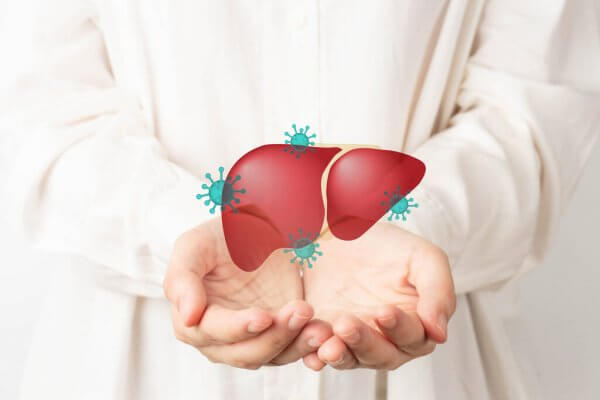
An enlarged liver is an abnormal enlargement of the liver caused by acute disease. Enlarged liver is not a disease but rather a symptom indicating a chronic stage of a disease such as cancer, cirrhosis, or fatty liver disease. The medical term for this condition is known as Hepatomegaly.
The liver is considered the master organ because of its ability to perform various tasks, including toxin removal, hormone and cholesterol regulation, and fat metabolism.
The liver is a vital organ with abilities to regenerate lost parts. According to the Canadian liver foundation, the liver has over 500 functions, and failure of the liver to function correctly can affect the performance of other organs in the body.
In this article, we will explore the potential causes, symptoms, and symptoms of Hepatomegaly.
What causes an Enlarged Liver?
One significant truth about an enlarged liver is that it’s not a disease on its own but a symptom of chronic liver disease. The causes of an enlarged liver differ from one patient to another.
A Series of frequently diagnosed medical conditions that can cause an enlarged liver includes:
Hepatitis
Hepatitis is an inflammation of the liver caused by either a viral infection, drug abuse, or alcohol-induced liver damages. A viral infection is the leading cause of hepatitis. The three main viral classifications of hepatitis are hepatitis A, B, C.
According to the Centers for Disease Control and Prevention (CDC), more than 5 million people in the United States live with chronic Hepatitis B or chronic Hepatitis C, with approximately 43,000 and 1700 new cases each year, respectively.
Alcoholic Liver Disease (ALD)
Alcoholic liver disease, also known as alcoholic steatohepatitis, is caused by excessive alcohol consumption. This condition is brought about by the buildup of fat cells in the liver, promoting liver inflammation, decreased functionality, and performance.
According to the National Institute on Alcohol Abuse and Alcoholism, alcohol is the fourth leading cause of preventable death in the United States, with approximately 88,000 new cases each year.
Chronic cases of Alcoholic liver disease will weaken the body’s natural defense and lead to alcoholic hepatitis and cirrhosis.
Liver Cancer
Cancers of the liver fall into two significant classes called primary and secondary liver cancer. Primary liver cancers are cancerous cells originating from the liver. In contrast, secondary liver cancer appears as Metastasis, such as colon cancer, Lymphoma, or lung cancer that spreads from other organs to the liver.
According to the Center for Disease Control and Prevention, approximately 16,000 men and 8,000 women die from liver cancer annually.
Nonalcoholic Fatty Liver Disease (NAFLD)
Nonalcoholic fatty liver disease causes steatohepatitis without being caused by excessive alcohol consumption.
According to a publication by Robert Wood Johnson Foundation (2016) in the Trust for America’s Health, an estimated 100 million people live with nonalcoholic fatty liver disease in the United States.
This disease is triggered by medical conditions such as diabetes or consuming a diet high in cholesterol and fat.
Additional Risk Factors for an Enlarged Liver
While chronic diseases are the primary culprits, several risk factors can increase your chances of developing liver problems that may result in hepatomegaly:
- Excessive Alcohol Use: Regularly drinking large amounts of alcohol can damage liver cells and lead to enlargement.
- Large Doses of Medicines, Vitamins, or Supplements: Overusing medications—especially acetaminophen (found in Tylenol and over 600 other products)—can cause acute liver failure. Always check labels for “acetaminophen,” “acetam,” or “APAP,” and consult your healthcare provider if unsure about safe dosages.
- Herbal Supplements: Certain supplements like black cohosh, ma-huang, and valerian have been associated with liver injury.
- Infections: Viral, bacterial, or parasitic infections can put the liver at risk.
- Poor Eating Habits: Obesity and diets high in unhealthy fats or sugars can strain the liver, increasing the likelihood of fatty liver disease.
- Other Chronic Conditions: Diabetes, high cholesterol, and metabolic disorders are also significant contributors.
Understanding these risk factors—alongside the main medical causes—helps paint a more complete picture of why an enlarged liver can develop and who may be more susceptible.
Heart and Blood Vessel Problems Leading to an Enlarged Liver
Certain heart and circulatory conditions can contribute to the development of an enlarged liver. These typically involve issues with blood flow to or from the liver, resulting in congestion or inadequate drainage. Some key examples include:
- Budd-Chiari Syndrome: This rare condition occurs when the veins responsible for draining blood from the liver become blocked, causing blood to back up and the liver to swell.
- Heart Failure: When the heart struggles to pump blood efficiently, it can lead to congestion throughout the body, including the liver. This backup increases pressure in the liver’s blood vessels, leading to enlargement.
- Pericarditis: Inflammation of the sac surrounding the heart—known as the pericardium—can also impede normal blood flow, creating a similar effect of congestion and liver enlargement.
These cardiovascular problems highlight that the liver’s health is closely connected to the overall function of the heart and circulatory system. If you have a history of heart disease or vascular issues, regular monitoring of liver health may be recommended.
Enlarged liver symptoms
An enlarged liver isn’t often a cause for concern and causes no symptoms; however, symptoms are noticeable if an underlying medical condition is responsible for the inflammation. If you experience any of the symptoms below, contact your healthcare provider for a proper diagnosis.
- Fatigue
- jaundice, or yellowing of the skin and eyes
- Nausea and vomiting
- muscle aches
- itching
- abdominal pain or mass
- weight loss
- poor appetite
- swelling of the feet and legs
- shortness of breath
Some symptoms of enlarged livers are considered medical emergencies. Ensure you take and observe dosage recommendations of prescribed drugs.
Diagnosis
Your doctor may conduct a physical examination by lightly touching or tapping the abdomen to check the size or determine the liver’s sensitivity. Your doctor may order a blood test or imaging tests such as a CT scan and MRI to check liver enzymes and signs of infection.
A small liver sample can undergo examination using a microscope through a process known as liver biopsy.
Treatment
Treatment of an enlarged liver requires diagnosing the underlying cause of the condition first. The underlying condition determines the course of treatment.
For mild conditions, simple lifestyle changes such as eating a healthy diet, increased physical exercise, eliminating alcohol can help improve the situation. For chronic conditions, your doctor will recommend the appropriate treatment course based on his diagnosis.
While a healthy lifestyle and diet can keep the doctor away, it is essential you know when to visit your doctor for a professional consultation.
Tips for Preventing Liver Disease
While treatment is important, prevention is just as crucial. Here are some practical steps you can take to protect your liver health:
- Eat a balanced diet. Focus on fruits, vegetables, and whole grains, while limiting foods high in fat and sugar.
- Drink alcohol in moderation, if at all. Consult your healthcare provider about what’s safe for you.
- Follow medication instructions. Take all medicines, vitamins, and supplements only as directed. Avoid exceeding recommended doses.
- Limit exposure to chemicals. Use aerosol cleaners, insecticides, and other chemicals only in well-ventilated spaces. Wear gloves, long sleeves, and a mask for extra protection.
- Maintain a healthy weight. If you’re overweight, discuss safe weight loss strategies with your healthcare provider.
- Quit smoking. Seek advice or support from your healthcare team if you need help quitting.
- Be cautious with herbal supplements. Some herbs and alternative remedies—such as kava, comfrey, and ma-huang—have been linked to liver damage. Always talk to your healthcare provider before starting any new supplements.
By adopting these habits, you can reduce your risk of liver problems and support your overall health. If you notice any persistent symptoms or have concerns about your liver, don’t hesitate to reach out to your doctor for guidance.
Herbal Supplements and Alternative Medicines to Avoid
If you’re considering herbal supplements or alternative medicines for general wellness, it’s wise to think twice—especially when it comes to your liver. Many supplements are not as harmless as they seem. In fact, certain herbs and natural remedies can do more harm than good, leading to liver inflammation or injury.
Several well-known herbal products have been linked to liver problems and should be approached with caution or avoided altogether:
- Kava (often promoted for anxiety and relaxation)
- Valerian (commonly used as a natural sleep aid)
- Black cohosh (frequently marketed for menopausal symptoms)
- Ma-huang (Ephedra) and other Chinese herbs
- Comfrey (sometimes used for wound healing)
- Germander (touted for weight loss or digestive aid)
- Greater celandine (used for digestive issues)
- Pennyroyal (occasionally found in herbal teas)
- Skullcap (marketed for its calming effects)
Even though these supplements are available over the counter or online, natural does not always mean safe—especially for your liver. Always consult your healthcare provider before starting any new supplement, and let them know about all the products you’re taking. Protecting your liver sometimes means skipping the “all-natural” aisle in favor of well-tested, doctor-approved treatments.